Archives
- 2026-09
- 2026-08
- 2026-07
- 2026-06
- 2026-05
- 2026-04
- 2026-03
- 2026-02
- 2026-01
- 2025-12
- 2025-11
- 2025-10
- 2025-09
- 2025-04
- 2025-03
- 2025-02
- 2025-01
- 2024-12
- 2024-11
- 2024-10
- 2024-09
- 2024-08
- 2024-07
- 2024-06
- 2024-05
- 2024-04
- 2024-03
- 2024-02
- 2024-01
- 2023-12
- 2023-11
- 2023-10
- 2023-09
- 2023-08
- 2023-07
- 2023-06
- 2023-05
- 2023-04
- 2023-03
- 2023-02
- 2023-01
- 2022-12
- 2022-11
- 2022-10
- 2022-09
- 2022-08
- 2022-07
- 2022-06
- 2022-05
- 2022-04
- 2022-03
- 2022-02
- 2022-01
-
Changes in actin microfilaments are mediated by changes in
2024-11-09

Changes in 8-CPT-Cyclic AMP sodium salt microfilaments are mediated by changes in extracellular matrix, mechanical stimulation or growth factors intracellular signaling. We observed significant changes in a number of intracellular signaling pathways associated with changes in actin dynamics during
-
hydroxydopamine OHDA is a selective
2024-11-09
6-hydroxydopamine (6-OHDA) is a selective catecholaminergic neurotoxin mainly used to generate lesions in the nigrostriatal pathway in rats (Ungerstedt, 1968). The most common use of 6-OHDA is via unilateral injection into the rat medial forebrain bundle (MFB). DA depletion, nigral DA cell loss, and
-
T7 High Yield Fluorescein RNA br Funding br Introduction The
2024-11-09
Funding Introduction The interest in the effects of endocrine disrupting chemicals (EDCs) in the aquatic environment continues to increase over the past decade, specifically those that act on steroidogenic pathways. EDCs that include synthetic androgenic and estrogenic compounds can severely a
-
br Acknowledgements We thank Dr Stefan Schulte Merker
2024-11-09
Acknowledgements We thank Dr. Stefan Schulte-Merker and his group members at the Hubrecht Institute (Utrecht, the Netherlands) for their invaluable support of the zebrafish studies. Our work is supported by grants from the Dutch Cancer Society (KWF) and the Netherlands Organisation for Scientific
-
br Materials and methods br Results br Discussion Recent stu
2024-11-09
Materials and methods Results Discussion Recent studies have highlighted Nuclear/Cytosol Fractionation Kit and autophagy as novel targets for the treatment of liver fibrosis [7,14]. In this study, we demonstrated that catalpol protected the rat liver from CCl4-caused injury and fibrogenesi
-
DRiPs also contribute to formation
2024-11-09
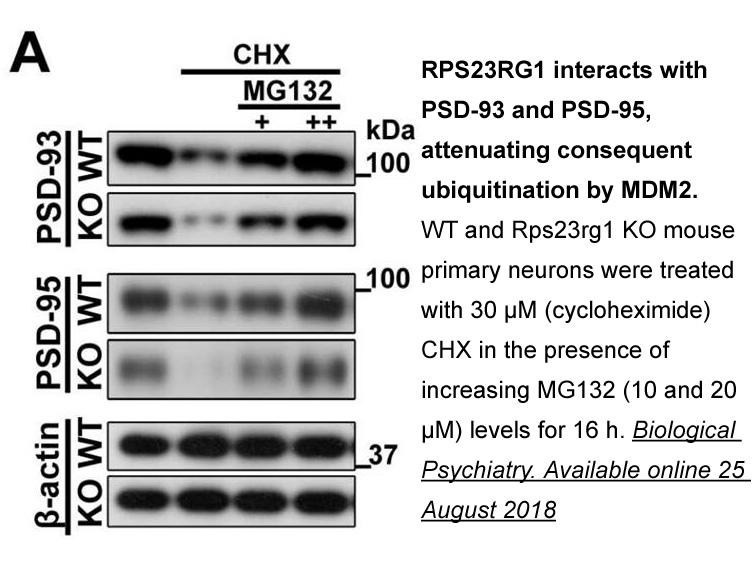
DRiPs also contribute to formation of protein ritodrine that result from dysregulation of proteostasis, during which the proteolytic machinery is unable to process and degrade defective proteins (Tyedmers et al., 2010). Aggregation of poly-ubiquitinated proteins has been observed in different cell
-
Infections inflammation and corneal transplant can all
2024-11-08
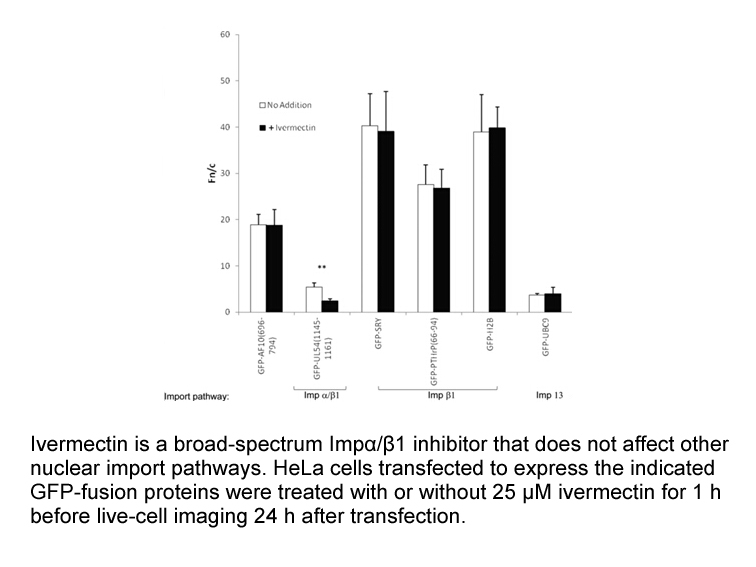
Infections, inflammation, and corneal transplant can all cause corneal neovascularization via upregulation of inflammatory cytokines, which attract myeloid SBI-0206965 australia into the cornea. These myeloid cells establish a cycle of cytokine secretion and further myeloid cell recruitment in the c
-
nkcc inhibitor br Mortality and morbidity Alzheimer s diseas
2024-11-08
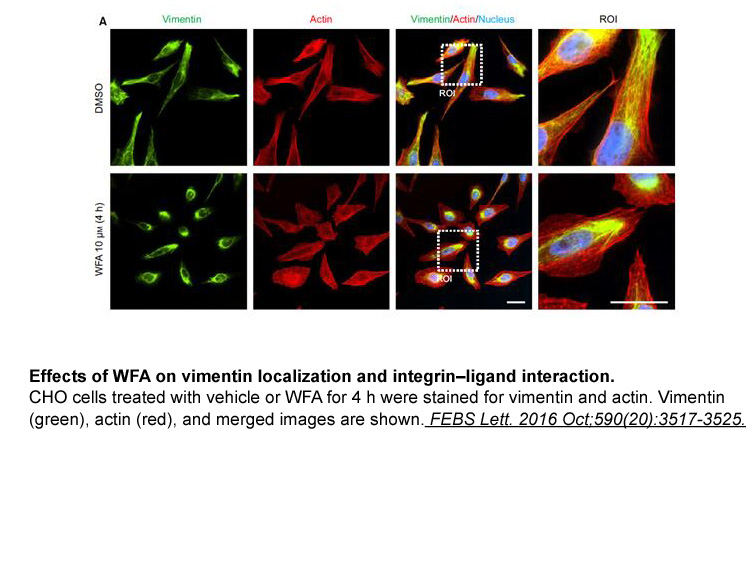
Mortality and morbidity Alzheimer's disease is officially listed as the sixth-leading cause of death in the United States [208]. It is the fifth-leading cause of death for those age 65 and older [198]. However, it nkcc inhibitor may cause even more deaths than official sources recognize. Alzheime
-
br Study approval br Author contributions br Conflicts of
2024-11-08
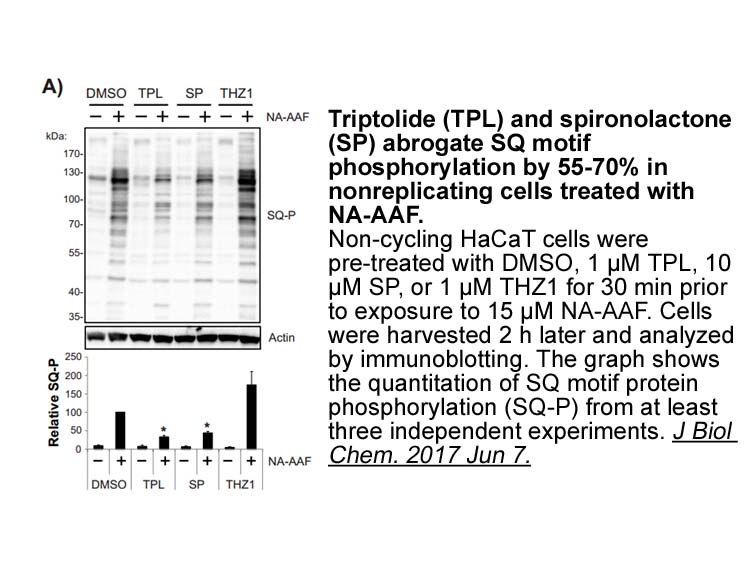
Study approval Author contributions Conflicts of interest Acknowledgements This work was supported by grants of the Youth Backbone Program (to Jianming Ying) of Cancer Hospital, CAMS, Beijing, Beijing Hope Run Special Fund of Cancer Foundation of China (LC2015A06) and the National Natura
-
As a continuation of our search for a selective
2024-11-08
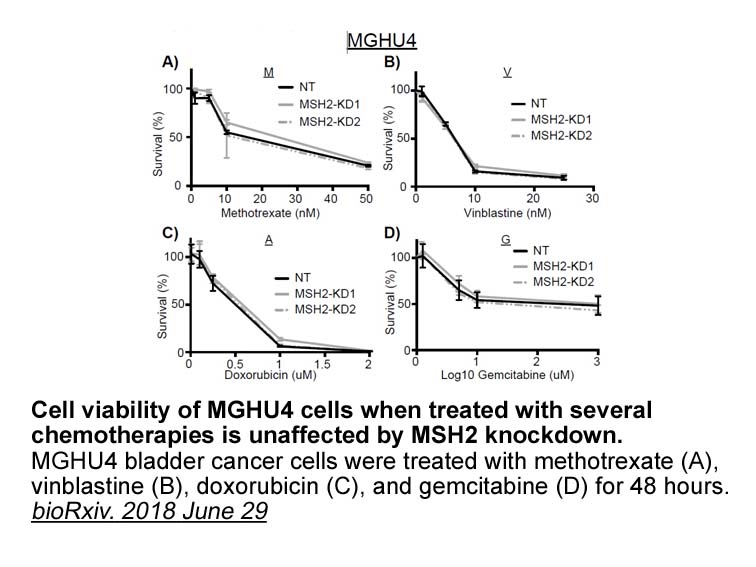
As a continuation of our search for a selective AChE radioligand bearing a meta-F substituted N-benzyl moiety, we designed and synthesized a novel meta-F-CP-118,954 analog along with a meta-18F-labeled form via diaryliodonium salt-based precursor (Fig. 1). For comparative purposes, we incorporate th
-
A combination of factors might however account for
2024-11-08
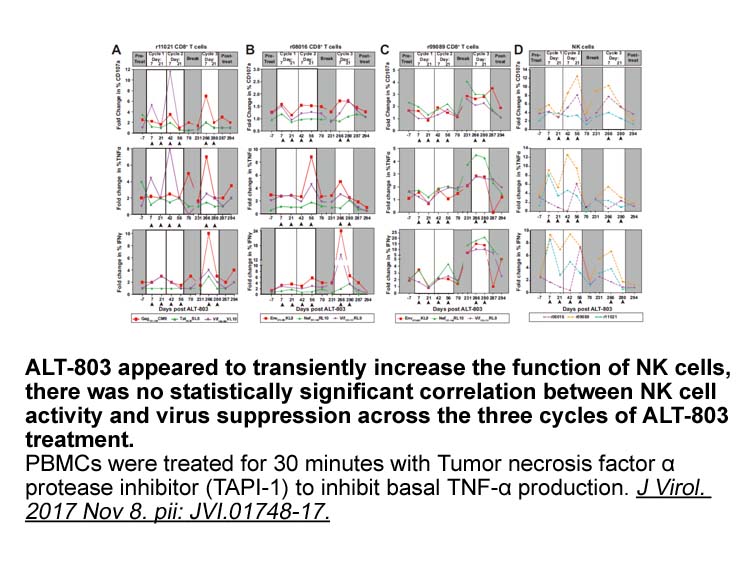
A combination of factors might, however, account for the low rate of success of drug development for neuropsychiatric disorders. First, in most neuropsychiatric disorders, the symptomatology is heterogeneous and the neurobiology remains poorly understood, making therapeutic targets difficult to iden
-
hydroxydopamine OHDA is a selective catecholaminergic neurot
2024-11-08
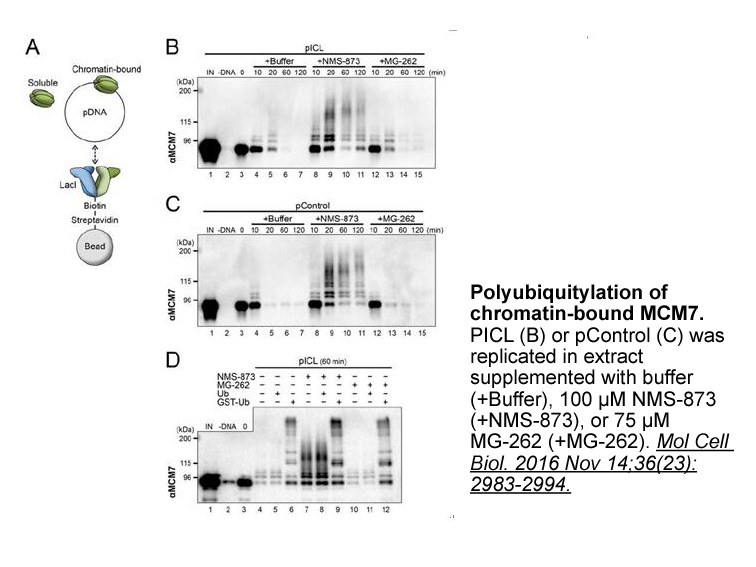
6-hydroxydopamine (6-OHDA) is a selective catecholaminergic neurotoxin mainly used to generate lesions in the nigrostriatal pathway in rats (Ungerstedt, 1968). The most common use of 6-OHDA is via unilateral injection into the rat medial forebrain bundle (MFB). DA depletion, nigral DA cell loss, and
-
br Regulation of V ATPase assembly in response to changes
2024-11-07
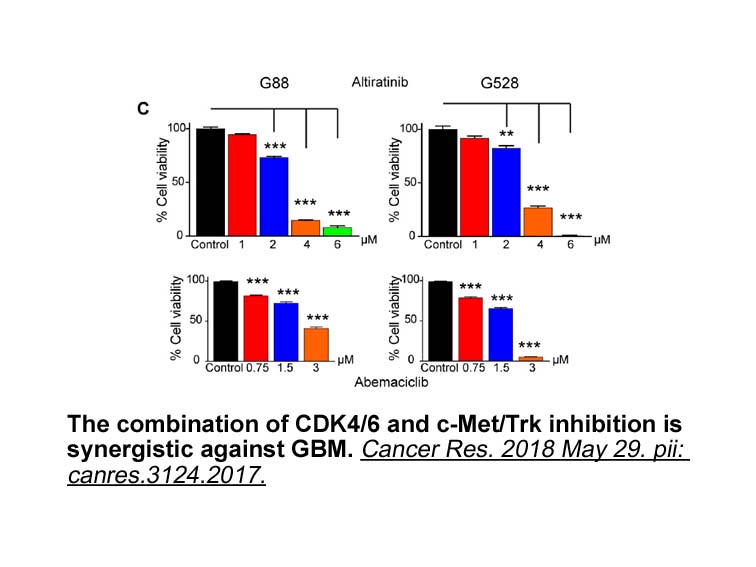
Regulation of V-ATPase assembly in response to changes in amino Bromoenol lactone sale levels A central regulator of cell growth and metabolism is mTORC1 [38]. mTORC1 integrates signals from nutrient availability and growth factor receptors to control such processes as protein and lipid synthesis
-
br Breast cancer The interactions between LOX and COX enzyme
2024-11-07
Breast cancer The interactions between 15-LOX and COX enzymes also affect the outcome of breast cancer. Indomethacin, a COX-1 and COX-2 inhibitor, decreased the growth of human breast cancer (BC) cells in nude mice, as well as slowed the rate of lung metastasis formation [41]. The levels of 12-HE
-
The amino hydroxy methyl isoxazolepropionic acid
2024-11-07
The α-amino-3-hydroxy-5-methyl-4-isoxazolepropionic Ezetimibe (AMPA) receptor is also enriched in postsynaptic striatal neurons (Bernard et al., 1997, Kondo et al., 2000, Reimers et al., 2011). Its activity is subjected to the regulation by a mechanism involving phosphorylation (Lu and Roche, 2012)
8572 records 94/572 page Previous Next First page 上5页 9192939495 下5页 Last page