Archives
- 2026-09
- 2026-08
- 2026-07
- 2026-06
- 2026-05
- 2026-04
- 2026-03
- 2026-02
- 2026-01
- 2025-12
- 2025-11
- 2025-10
- 2025-09
- 2025-04
- 2025-03
- 2025-02
- 2025-01
- 2024-12
- 2024-11
- 2024-10
- 2024-09
- 2024-08
- 2024-07
- 2024-06
- 2024-05
- 2024-04
- 2024-03
- 2024-02
- 2024-01
- 2023-12
- 2023-11
- 2023-10
- 2023-09
- 2023-08
- 2023-07
- 2023-06
- 2023-05
- 2023-04
- 2023-03
- 2023-02
- 2023-01
- 2022-12
- 2022-11
- 2022-10
- 2022-09
- 2022-08
- 2022-07
- 2022-06
- 2022-05
- 2022-04
- 2022-03
- 2022-02
- 2022-01
-
acetylcholinesterase inhibitor br Author Contributions br Ac
2024-04-09
Author Contributions Acknowledgments Introduction Cerebral ischemia-reperfusion (I/R) injury is a pathological phenomenon that occurs after restoration of blood supply to acetylcholinesterase inhibitor tissues subsequent to ischemia or hypoxia (Carden and Granger, 2000). It typically occurs
-
The metabolism of amino acids into
2024-04-09
The metabolism of amino acids into volatile aldehydes involves both decarboxylation and deamination steps. The order of these reactions and the enzymes performing the catalysis differ among plants [13]. In tomato fruit the conversion of L-Phe to 2-phenylethanal is catalyzed by two enzymatic steps, i
-
Finally Urban Ciecko et al
2024-04-09

Finally, Urban-Ciecko et al. (2018) asked whether this enhancement is specific to the pyramidal to SST neuron synapses or more generally observed in other synapses of the cortical microcircuit. Synapses between pyramidal cells showed no sign of potentiation after either bath application of the choli
-
Phospholipases cleave membrane phospholipids from inflammato
2024-04-09
Phospholipases cleave membrane phospholipids from inflammatory cells, activated platelets, erythrocytes, adipocytes and cancer Tubastatin A mg (Aoki et al., 2008, Neidlinger et al., 2006). Several reports have analysed the role of LPA and its receptors in the pathogenesis of RA. Zhao et al. reporte
-
Azithromycin Dihydrate br Acknowledgments br Introduction Hu
2024-04-09
Acknowledgments Introduction Human innate immune system provides first line of defense against multiple viral or bacterial attacks, and provides critical surveillance against oncogenic development. Evidences show that individuals with primary immunodeficiency or induced immunosuppression durin
-
Although the LB domains of mGlu receptors have not
2024-04-09

Although the LB2 domains of mGlu receptors have not been shown to form an extensive interface during activation, they do draw closer to each other, as demonstrated in crystal structures (Kunishima et al., 2000, Muto et al., 2007, Tsuchiya et al., 2002) and by FRET analysis (Doumazane et al., 2013, V
-
Overall the expression of both components ligand
2024-04-09
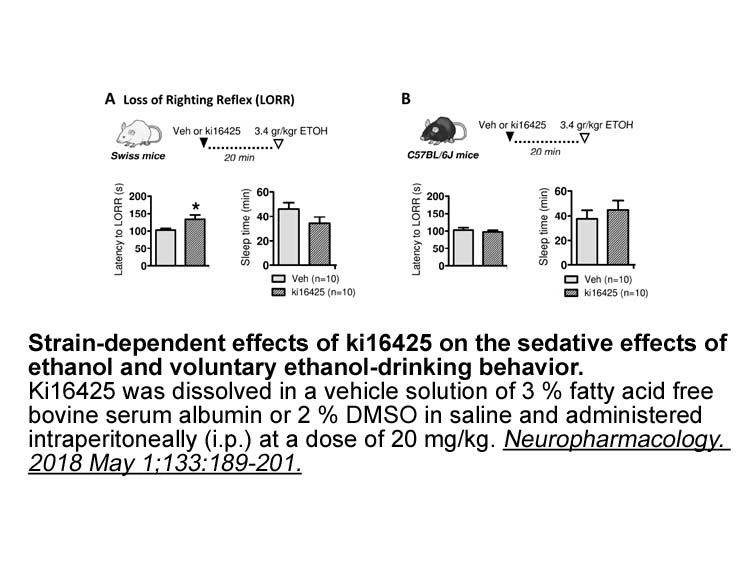
Overall, the expression of both components (ligand and receptor) of the apelin signaling system allows for analysis of the direct role of apelin in CL function, and specifically P4 production. Although the CL secretes many different hormones, P4 is of predominant importance because it is necessary f
-
The zinc transporter proteins are members of the SLC
2024-04-08
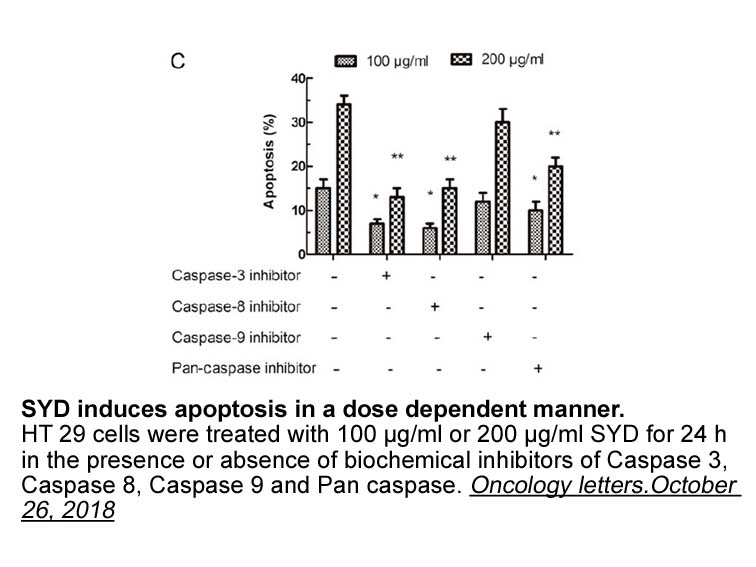
The zinc transporter proteins are members of the SLC superfamily of metal transporters, and comprise two structurally and functionally different groups, the zinc-importer (ZIP; Zrt-, Irt-like proteins) family (SLC39A), which regulate zinc transport into the cytoplasm from outside the cell and from i
-
br Discussion Herein we demonstrate that
2024-04-08
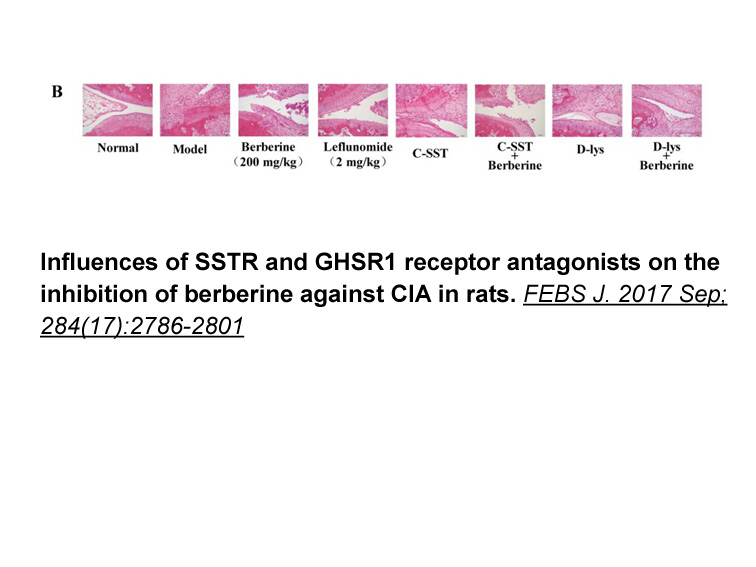
Discussion Herein, we demonstrate that mice deficient in L-12/15 LO are more sensitive to 3-NP-induced toxicity although a substantial individual variability in striatal lesion size in response to 3-NP in both genotypes was observed. This variability is not atypical; several studies demonstrate s
-
br Materials and methods br Results br
2024-04-08

Materials and methods Results Discussion Intracellular metabolic pathways of sugar, such as glycolysis and TCA cycle, provide material and energy for the synthesis of other substances, including amino acids. Thus, the content of sugars and their metabolic pathways are important for amino Im
-
br Introduction Several studies have
2024-04-08
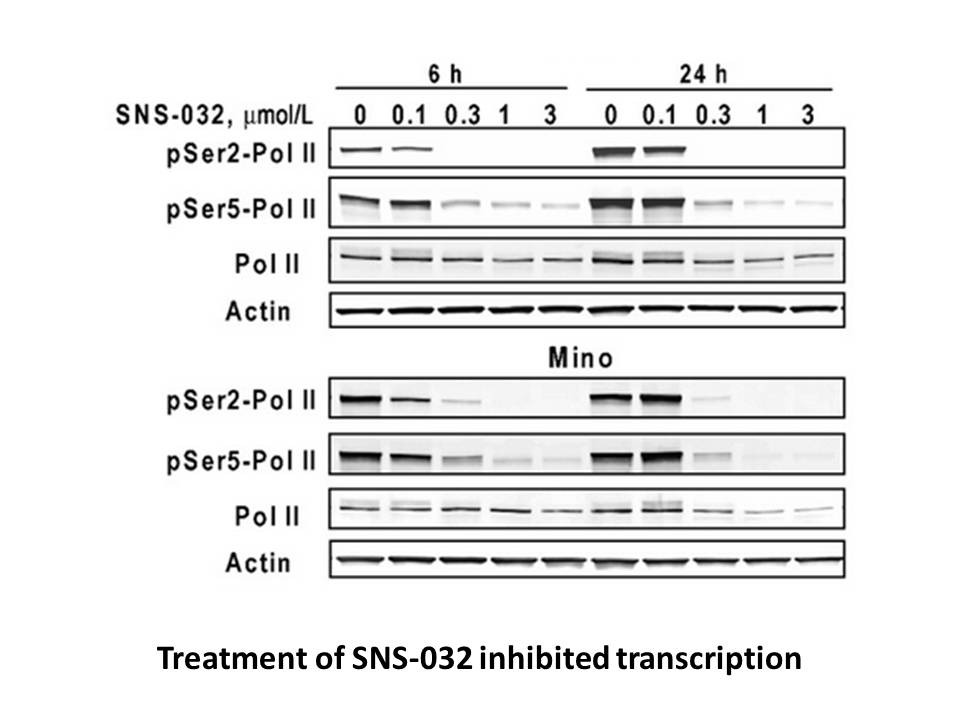
Introduction Several studies have found that hypothalamic Akt-mediated signaling pathways play critical roles in the regulation of food intake and Xylazine HCl metabolism in mammals [[1], [2], [3], [4], [5], [6]]. Central injections of the inhibitor of phosphoinositide 3- kinases (PI3 K, an upstr
-
Thus far clinical data indicate that IDO inhibitors have
2024-04-08
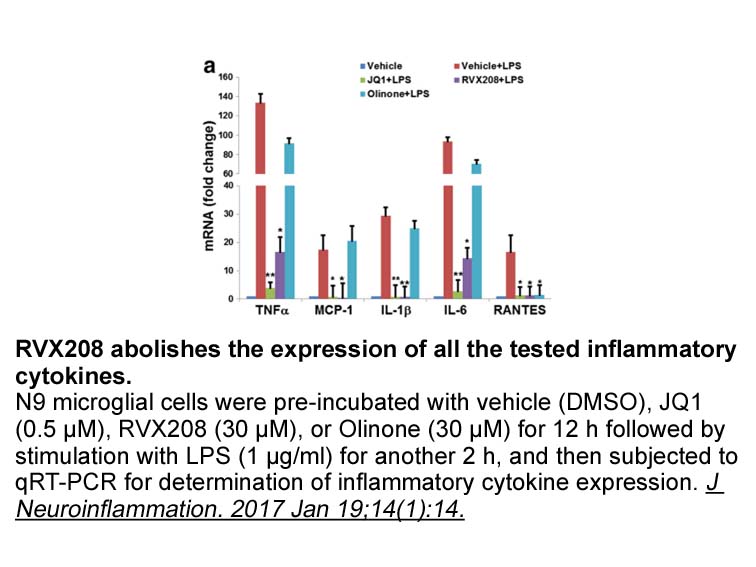
Thus far, clinical data indicate that IDO1 inhibitors have manageable toxicity, albeit with a relatively short period of treatment in a small number of patients. KYN is a pluripotent mediator and key intermediate for the synthesis of a host of downstream KP metabolites that are implicated in inflamm
-
Mechanistically NAergic signaling in the VTA modulates neuro
2024-04-08

Mechanistically, NAergic signaling in the VTA modulates neuronal activity presumably via α1-AR. The majority of α1-ARs are found in the VTA are located presynaptically on unmyelinated Kobe0065 and axon terminals of glutamatergic and GABAergic neurons. However, α1-ARs are also found on neuronal dend
-
To date the molecular responses of AChE
2024-04-08
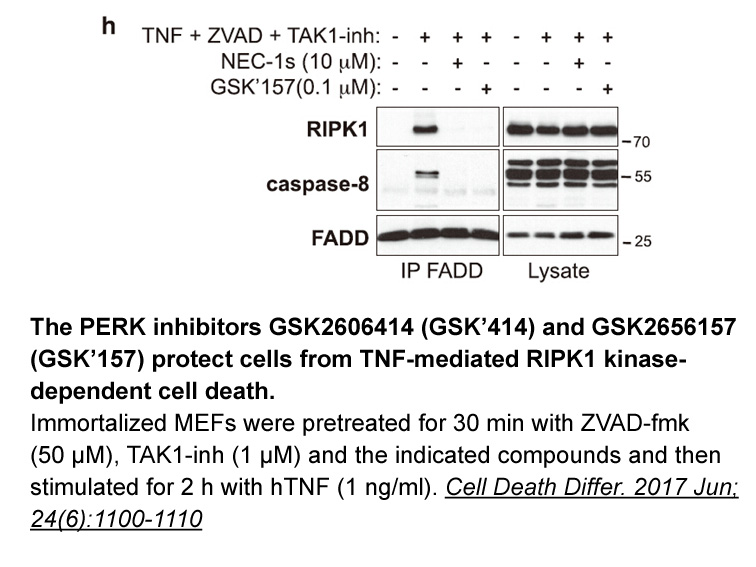
To date, the molecular responses of AChE have been partially analyzed in its mRNA level or protein activity in aquatic animals. To understand the correlation between transcriptional change and activity of AChE, we conducted both experiments in B. koreanus. Generally, the VX-689 receptor patterns of
-
Apoptosis or programmed cell death is a function
2024-04-08
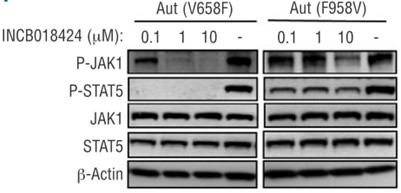
Apoptosis or programmed cell death is a function of biochemical mechanisms, which are energy-dependent. It is considered to be a vital component of many processes such as normal cell cycle, immune mechanism, atrophy, embryonic development and toxin-induced cell death (Elmore, 2007). In addition, apo
8570 records 208/572 page Previous Next First page 上5页 206207208209210 下5页 Last page