Archives
- 2026-10
- 2026-09
- 2026-08
- 2026-07
- 2026-06
- 2026-05
- 2026-04
- 2026-03
- 2026-02
- 2026-01
- 2025-12
- 2025-11
- 2025-10
- 2025-09
- 2025-04
- 2025-03
- 2025-02
- 2025-01
- 2024-12
- 2024-11
- 2024-10
- 2024-09
- 2024-08
- 2024-07
- 2024-06
- 2024-05
- 2024-04
- 2024-03
- 2024-02
- 2024-01
- 2023-12
- 2023-11
- 2023-10
- 2023-09
- 2023-08
- 2023-07
- 2023-06
- 2023-05
- 2023-04
- 2023-03
- 2023-02
- 2023-01
- 2022-12
- 2022-11
- 2022-10
- 2022-09
- 2022-08
- 2022-07
- 2022-06
- 2022-05
- 2022-04
- 2022-03
- 2022-02
- 2022-01
-
As recently reviewed a picture is
2022-01-03
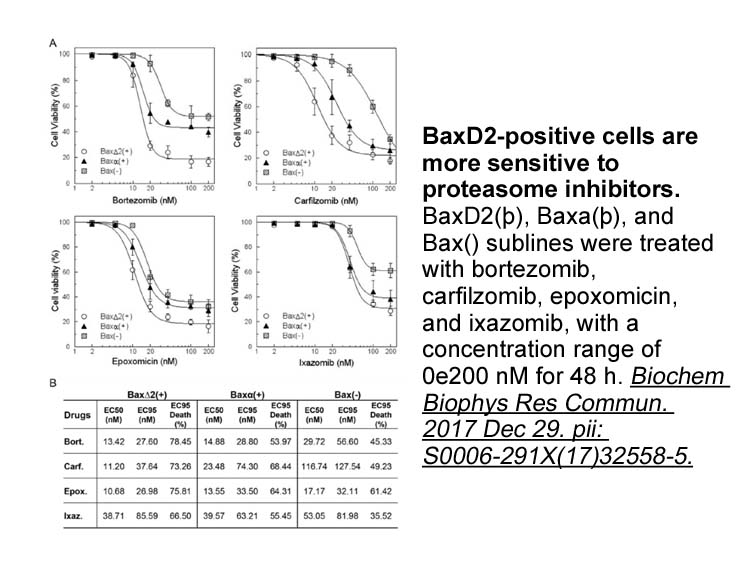
As recently reviewed, a picture is emerging where metabolites through GPCR sensors act as important autocrine and paracrine regulators of basic metabolic mechanisms (Husted et al., 2017). The concept of 20-HETE acting through FFAR1 as an autocrine amplifier of GDIS on β EGTA australia together with
-
The above inferences concluded that histidine is enhancing t
2022-01-03
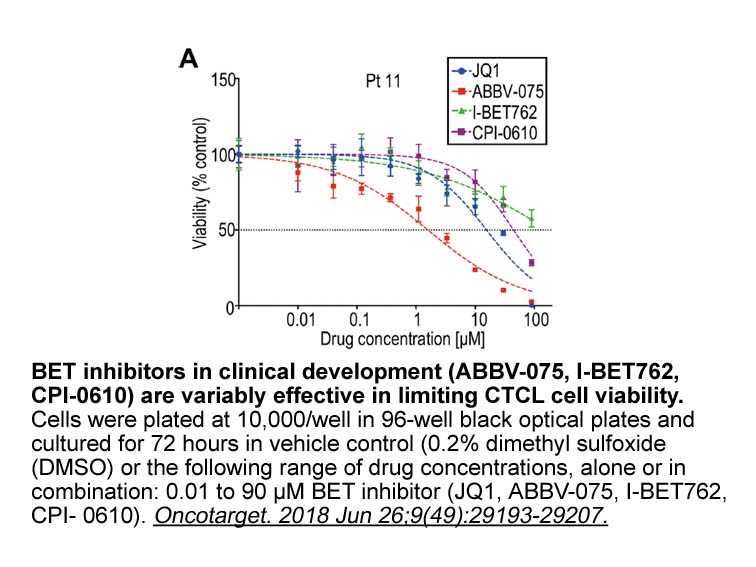
The above inferences concluded that histidine is enhancing the overall stability and rigidity of the protein which further might be restraining the protein during the transition from inactive to active state and vice-versa present in the SANT domain. Since the SANT domain binds with histone via elec
-
br Experimental br Results and discussion One
2022-01-03

Experimental Results and discussion One of the major challenges of oral drug delivery via nanocarriers is the fairly low efficiency of crossing the intestinal barrier. While there is the possibility of a paracellular transport for polar substances below 1000 Dalton [26], the key mechanism of o
-
Traditional methods for HATs activity
2022-01-03
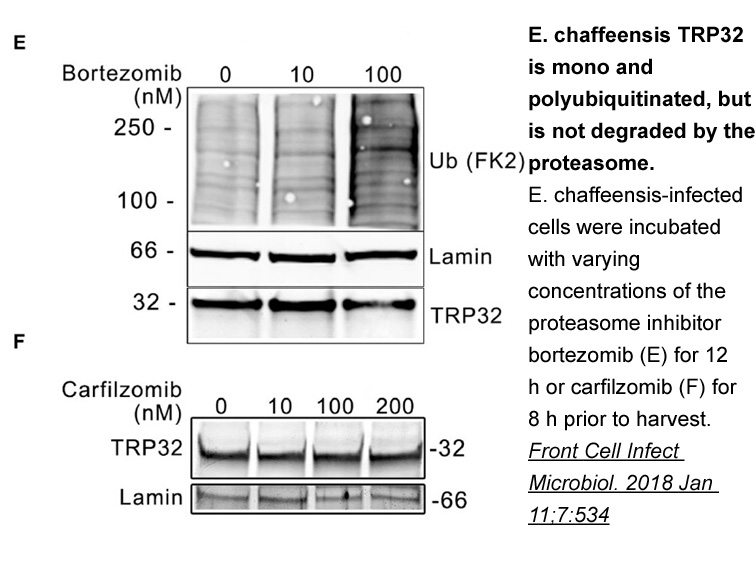
Traditional methods for HATs activity assays mainly depend on radioisotope labelling of histone substrates, which is limited by the complex procedures, hazards and wastes of radioactive materials. Hence, various alternative approaches such as electrochemical analysis, fluorescence and colorimetric a
-
br Acknowledgments We thank Drs Yasuhiro Saito
2022-01-03
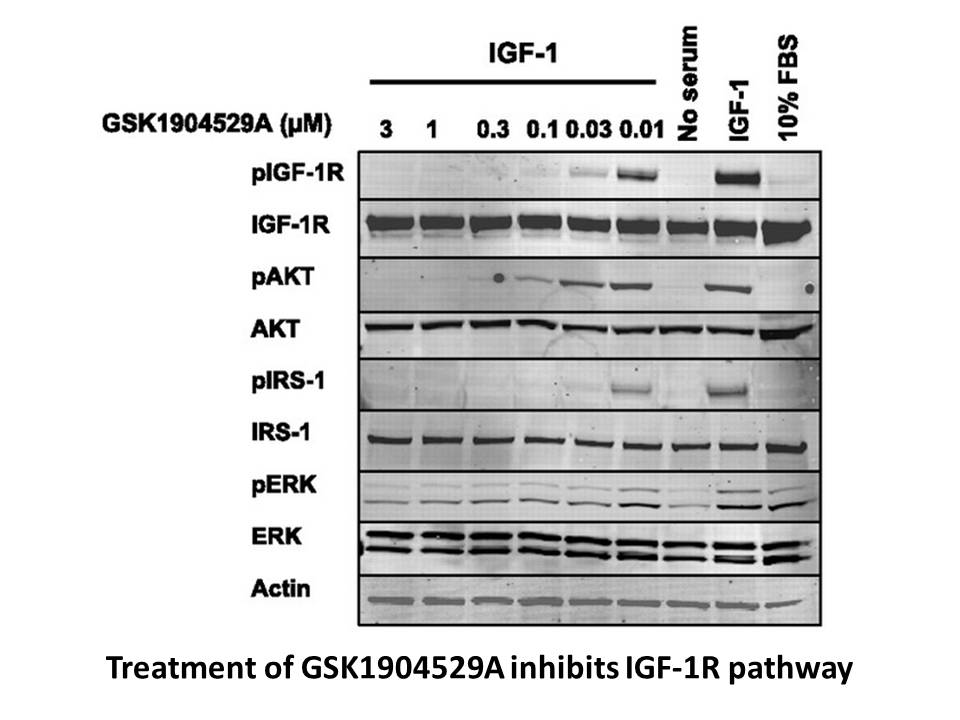
Acknowledgments We thank Drs. Yasuhiro Saito and Mitsuru Futakuchi for helpful discussion. We also thank Drs. Kohei Miyazono and Tadashi Matsuda for cells. This work was supported by Grant-in-Aids for Scientific Research on Innovative Area (16H06373; 16K15273) from MEXT, Japan (to M.H.) and by Pr
-
br Conclusion br Acknowledgements This study was
2022-01-03
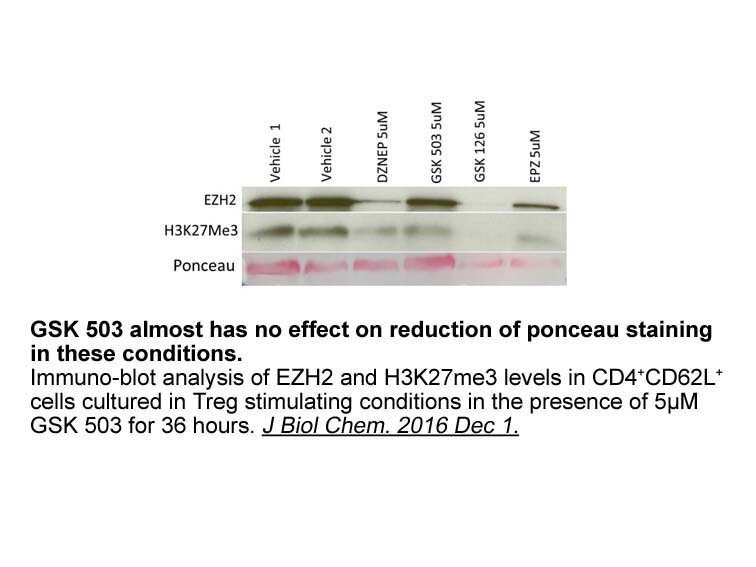
Conclusion Acknowledgements This study was supported by the China Postdoctoral Science Foundation (No.2015M581817), the National Research Council of Science and Technology Support Program (2015BAD03B05-06), and the Priority Academic Program Development of Jiangsu Higher Education Institutions
-
br Introduction The airway epithelium is
2022-01-03

Introduction The airway epithelium is the first barrier against inhaled insults and the final barrier against internal forces (hydrostatic, inflammatory, and ischemic) that disrupt water and solute movement across the epithelium. This barrier is formed by adhesion of airway and alveolar epithelia
8587 records 573/573 page Previous First page 上5页 571572573