Archives
- 2026-09
- 2026-08
- 2026-07
- 2026-06
- 2026-05
- 2026-04
- 2026-03
- 2026-02
- 2026-01
- 2025-12
- 2025-11
- 2025-10
- 2025-09
- 2025-04
- 2025-03
- 2025-02
- 2025-01
- 2024-12
- 2024-11
- 2024-10
- 2024-09
- 2024-08
- 2024-07
- 2024-06
- 2024-05
- 2024-04
- 2024-03
- 2024-02
- 2024-01
- 2023-12
- 2023-11
- 2023-10
- 2023-09
- 2023-08
- 2023-07
- 2023-06
- 2023-05
- 2023-04
- 2023-03
- 2023-02
- 2023-01
- 2022-12
- 2022-11
- 2022-10
- 2022-09
- 2022-08
- 2022-07
- 2022-06
- 2022-05
- 2022-04
- 2022-03
- 2022-02
- 2022-01
-
The presence of different LO
2024-10-24
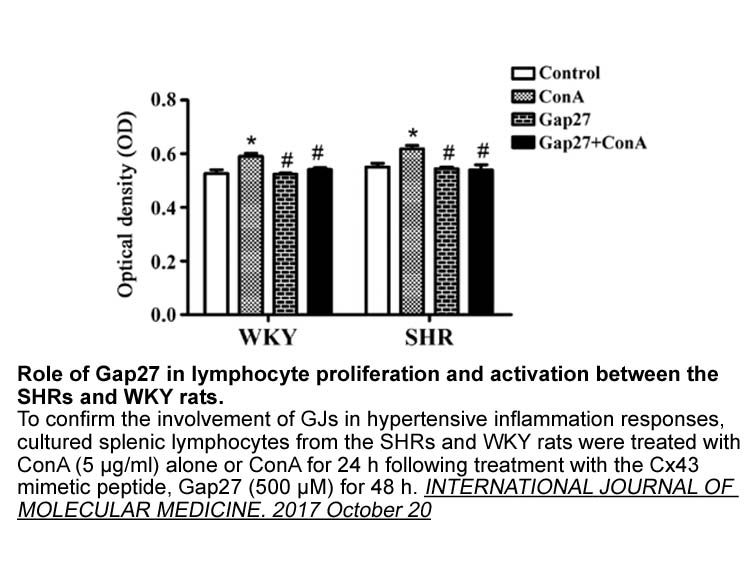
The presence of different 5-LO splice variants was first demonstrated in human raas inhibitor tumour cells and in dimethyl sulfoxide-differentiated HL-60 cells [40] and a correlation between the 5-LO splicing pattern and the malignancy of the brain tumours was found. Later, other splice variants we
-
Considering the physicochemical stability results on Fig it
2024-10-24
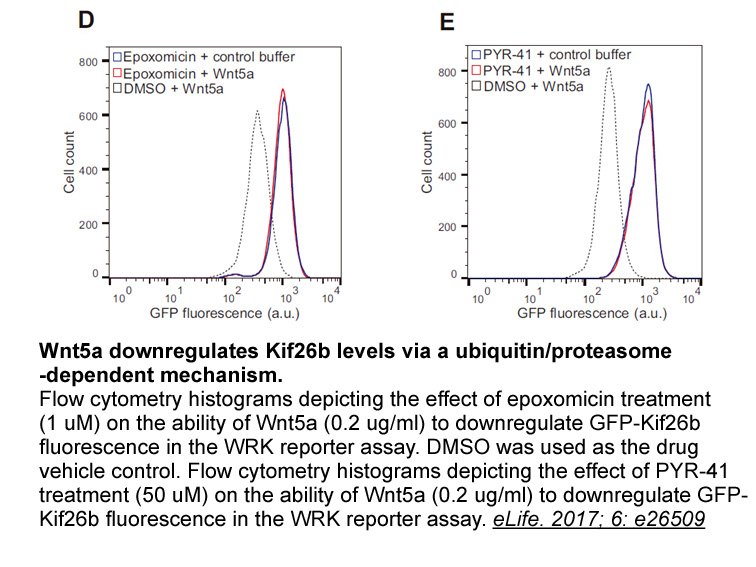
Considering the physicochemical stability results on Fig. 5, it was observed that the particles are stable when they are stored at 4 °C for 30 days. After day 30, a significant increase was observed in particle size, but at the end of the 90 days the SLN particle size is still below 100 nm. Stabilit
-
The exact etiology of BPH is not completely understood howev
2024-10-24
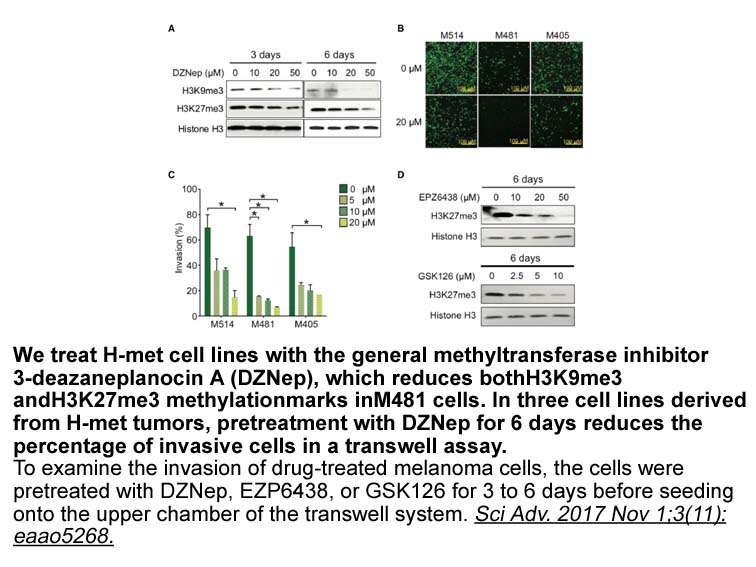
The exact etiology of BPH is not completely understood, however this pathology has been associated with elevated monocarboxylate transporters levels of the androgen DHT (10). Thus, a valuable strategy in BHP treatment is the reduction of DHT (10) levels, by inhibiting its biosynthetic production [6
-
Incubation of the aortic segments of rats with
2024-10-24
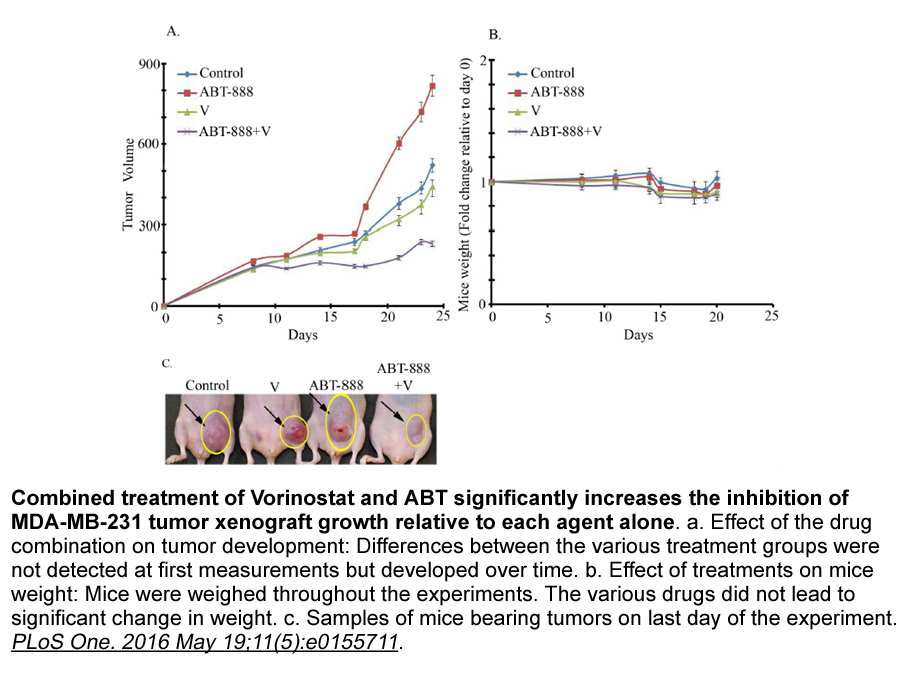
Incubation of the aortic segments of rats with indomethacin significantly decreased the vasoconstrictor response to Phe but only in HgCl2-treated group (Fig. 9A,B), as indicated by dAUC values (Fig. 9E). Co-treatment with losartan once again proved to be effective and prevented the increased partici
-
PF is orally bioavailable and has appropriate
2024-10-23
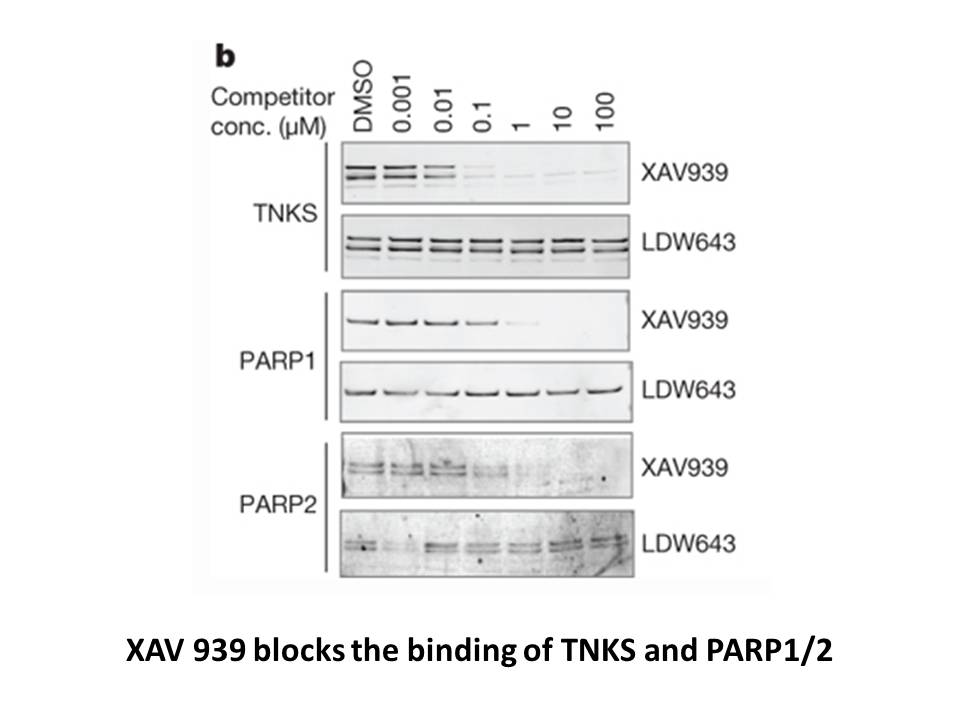
PF-06409577 is orally bioavailable and has appropriate pharmacokinetic properties for use in rodents, allowing us to evaluate its impact on lipid and cholesterol biosynthesis in vivo (Cameron et al., 2016). PF-06409577 lowered the incorporation of 14C-acetate into hepatic lipids in vivo in a dose de
-
A unique finding in this
2024-10-23
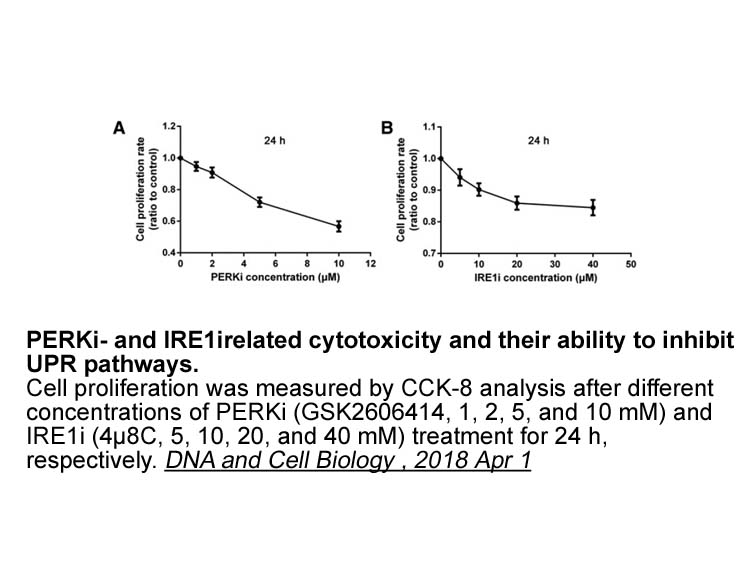
A unique finding in this study is that 12/15-LO influences CREB phosphorylation in the murine brain. While previous reports have found that knockout of 5-lipoxygenase, a related enzyme that also uses arachidonic Z-VEID-FMK synthesis for substrate, can regulate CREB phosphoryation in the context of
-
The relationship between AG and tau deposition in the
2024-10-23
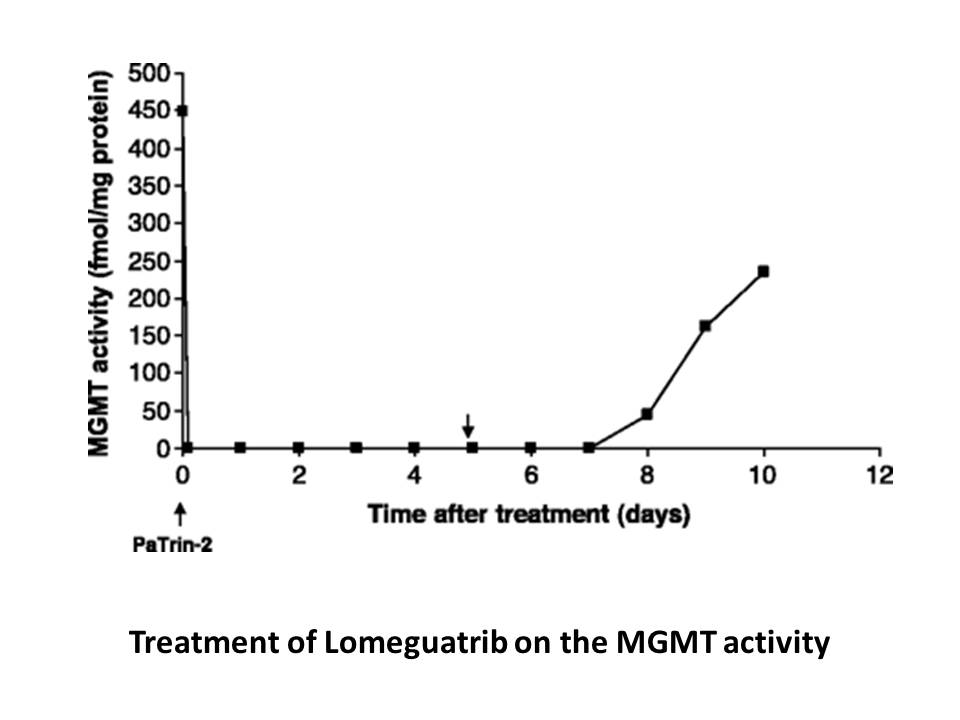
The relationship between AG and tau deposition in the presence of Aβ burden warrants more research in AD and in other primary tauopathies (not associated with accumulation of Aβ plaques). Our findings highlight the importance of measuring AG, as this relationship was not evident for total NCT-502 sa
-
MD was the recipient of the Intergroupe Francophone de Canc
2024-10-23
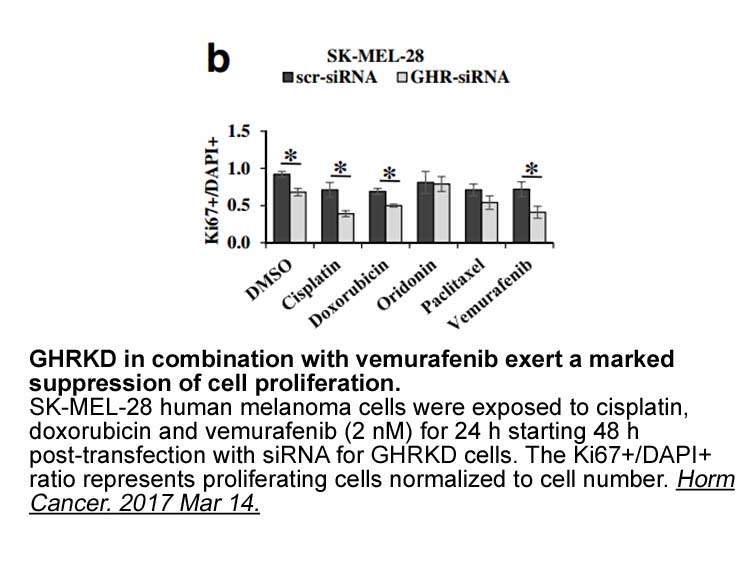
MD was the recipient of the Intergroupe Francophone de Cancérologie Thoracique (IFCT) Alain Depierre Grant in 2014. JP was the recipient of the ARISTOT (Association de Recherche, d’Information Scientifique et Thérapeutique en Oncologie Thoracique) grant in 2016. Conflicts of interest statement
-
To determine the post translation modifications in chicken a
2024-10-23
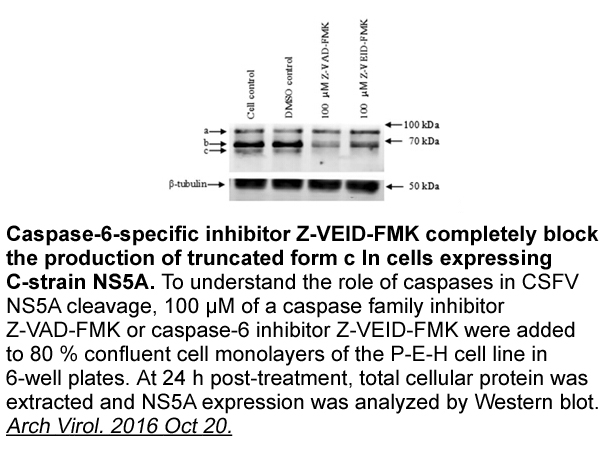
To determine the post-translation modifications in chicken adiponectin, we isolated adiponectin from chicken adipose tissue by immunoprecipitation. Chicken adiponectin was then subjected to tryptic digestion and UPLC/MS/MS. The collagenous domain of chicken adiponectin was found to possess certain p
-
br Concluding remarks ROP is a major cause of childhood
2024-10-23
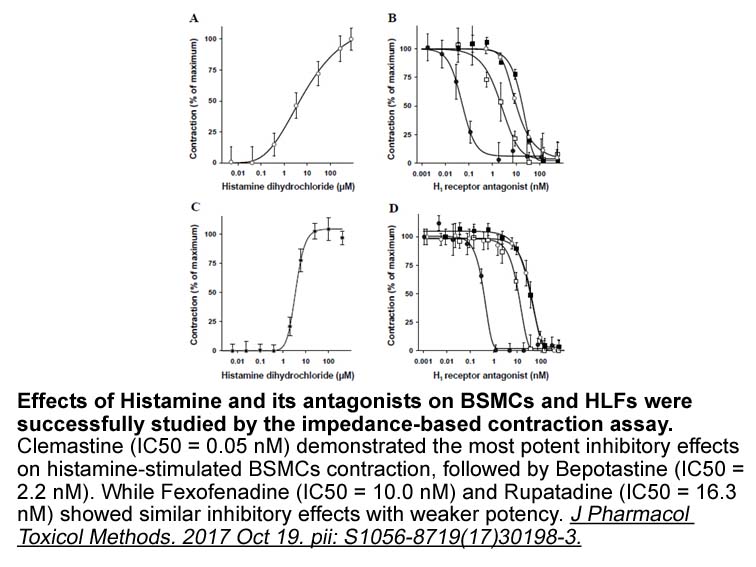
Concluding remarks ROP is a major cause of childhood blindness in the world. Current pharmacological therapy focus on anti-VEGF strategy, but this strategy is associated with the unintended effects on delayed eye growth and retinal vasculature development of preterm infants. Preclinical studies u
-
br Introduction The chronic inflammation is
2024-10-23
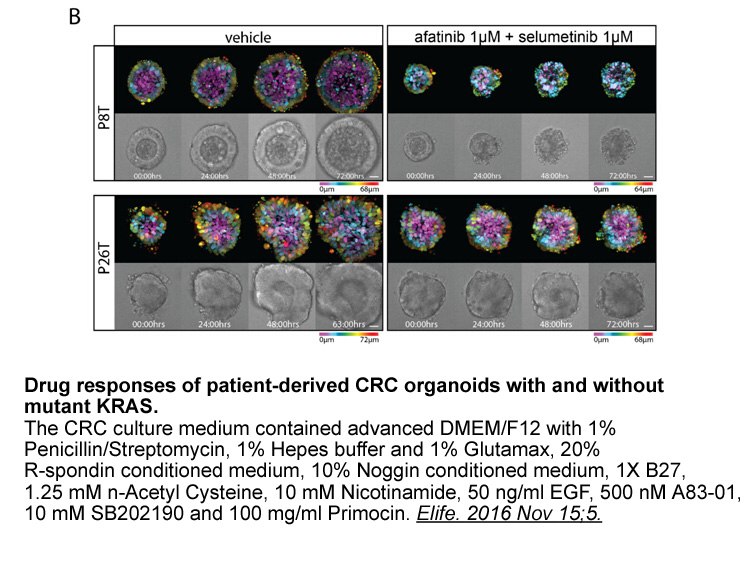
Introduction The chronic inflammation is one of the leading events involved in the aetiology of many chronic-degenerative diseases including diabetes, atherosclerosis, arthritis and cancer (Coussens and Werb, 2002). Monocytes/macrophages lineage plays an important role during inflammation through
-
In the isolated right atrium activation of muscarinic recept
2024-10-23

In the isolated right atrium, activation of muscarinic receptors and adenosine receptors may block the generation of action potentials in the sinoatrial node, inducing cardiac arrest (Fig. 1, Fig. 2, Fig. 3, Fig. 4, Fig. 5) (Camara et al., 2015, Campbell et al., 1989). Physiologically, this conditi
-
br Perspectives Given the complexity
2024-10-23
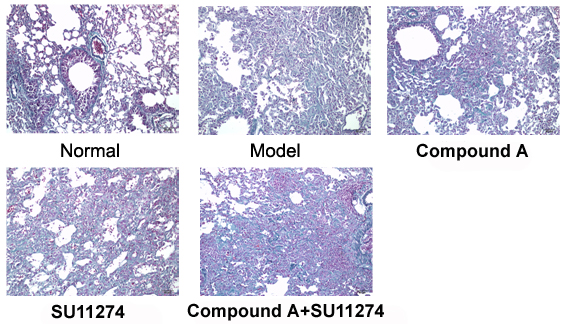
Perspectives Given the complexity of the cellular interactome and of protein scaffolding, further progress in revealing how individual membrane proteins, including APP and AChE, interact with each other at various levels, from cell-surface shedding to gene regulation, will clarify some intrinsic
-
Because LTs are proved to mediate multiple biological and pa
2024-10-23
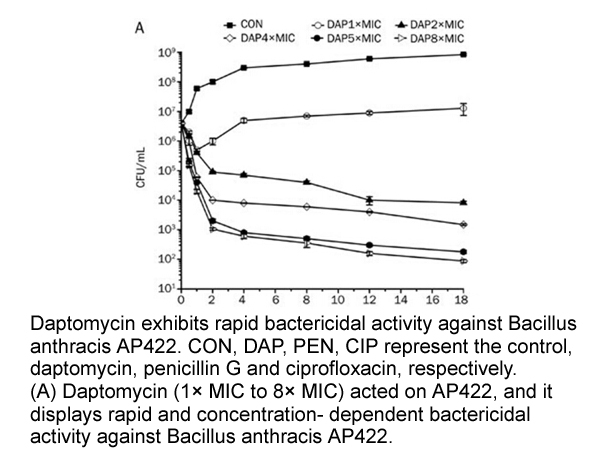
Because LTs are proved to mediate multiple biological and pathological responses in various disease states, the 5-LO biosynthetic pathway producing LTs from AA have been the target of drug discovery efforts for over two decades. As observed from literature, a pile of research efforts has been direct
-
Interestingly this situation might be changed by
2024-10-23
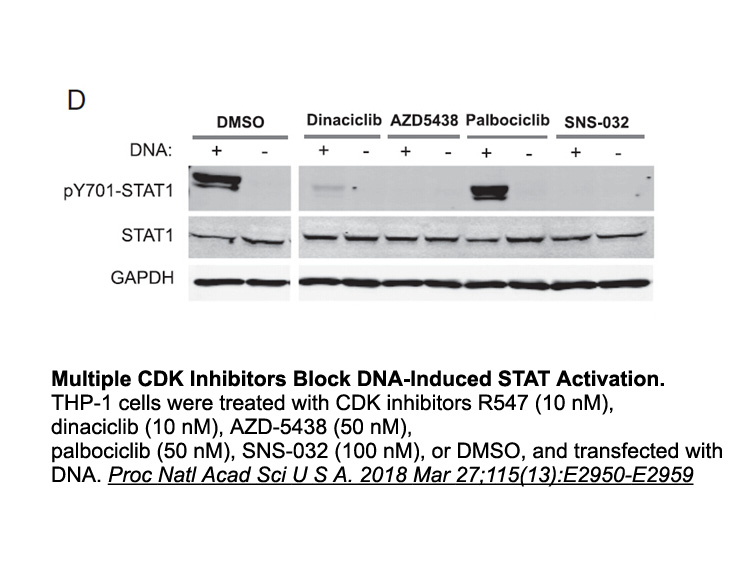
Interestingly, this situation might be changed by the immunological context, in particular by the cytokines encountered during differentiation or activation. LPS-activation of bone marrow-derived DCs differentiated in GM-CSF decreases autophagy, CP2, and subsequent activation of CD4+ T cells (Fig. 2
8572 records 102/572 page Previous Next First page 上5页 101102103104105 下5页 Last page