Archives
- 2026-03
- 2026-02
- 2026-01
- 2025-12
- 2025-11
- 2025-10
- 2025-09
- 2025-04
- 2025-03
- 2025-02
- 2025-01
- 2024-12
- 2024-11
- 2024-10
- 2024-09
- 2024-08
- 2024-07
- 2024-06
- 2024-05
- 2024-04
- 2024-03
- 2024-02
- 2024-01
- 2023-12
- 2023-11
- 2023-10
- 2023-09
- 2023-08
- 2023-07
- 2023-06
- 2023-05
- 2023-04
- 2023-03
- 2023-02
- 2023-01
- 2022-12
- 2022-11
- 2022-10
- 2022-09
- 2022-08
- 2022-07
- 2022-06
- 2022-05
- 2022-04
- 2022-03
- 2022-02
- 2022-01
- 2021-12
- 2021-11
- 2021-10
- 2021-09
- 2021-08
- 2021-07
- 2021-06
- 2021-05
- 2021-04
- 2021-03
- 2021-02
- 2021-01
- 2020-12
- 2020-11
- 2020-10
- 2020-09
- 2020-08
- 2020-07
- 2020-06
- 2020-05
- 2020-04
- 2020-03
- 2020-02
- 2020-01
- 2019-12
- 2019-11
- 2019-10
- 2019-09
- 2019-08
- 2019-07
- 2019-06
- 2019-05
- 2019-04
- 2018-11
- 2018-10
- 2018-07
-
One architecture termed closed has
2021-04-25
One architecture, termed closed, has been visualized at near-atomic resolution in cryo-EM maps of recombinant complexes that superimpose with earlier lower-resolution EM data obtained for APC/CCDC20–MCC purified from HeLa Cyanine 5-dCTP receptor arrested during the mitotic checkpoint (Figure 4E) 38
-
These data from developing brain
2021-04-25

These data from developing kinesin spindle protein are in contrast to noradrenergic receptor regulation in the adult brain. In adult animals, a persistent increase in the α2-AR high affinity state is elicited as a result of DSP-4 lesion or reserpinization, as measured by [3H]clonidine binding to me
-
br Introduction Acinetobacter baumannii is a gram negative
2021-04-25
Introduction Acinetobacter baumannii is a gram-negative opportunistic pathogen that causes nosocomial infections including pneumonia and bloodstream infections which is associated with an increased mortality and multi-drug resistance [[1], [2], [3]]. A. baumannii was rated as one of the critical
-
br Data deposition The structure factor
2021-04-25
Data deposition: The structure factor amplitudes and coordinates of mIL34 and the mIL-34:mCSF-1R complex have been deposited in the Protein Data Bank, www.pdb.org, with accession codes 4EXN and 4EXP. Note added in proof The authors would like to inform the readers of two recent articles that are
-
LDC1267 receptor Furthermore we explored the effect of
2021-04-25
Furthermore, we explored the effect of PKCζ on SIRT6 phosphorylation. Accumulating data showed that aPKC isoforms are involved in regulating lipid metabolism [41], [42], [43], [44], [45], [46], [47]. The aPKC activity was reported to play a dominant role in normal insulin signaling by activating PI3
-
br Objectives br Study design Thirty KTx http www apexbt
2021-04-25
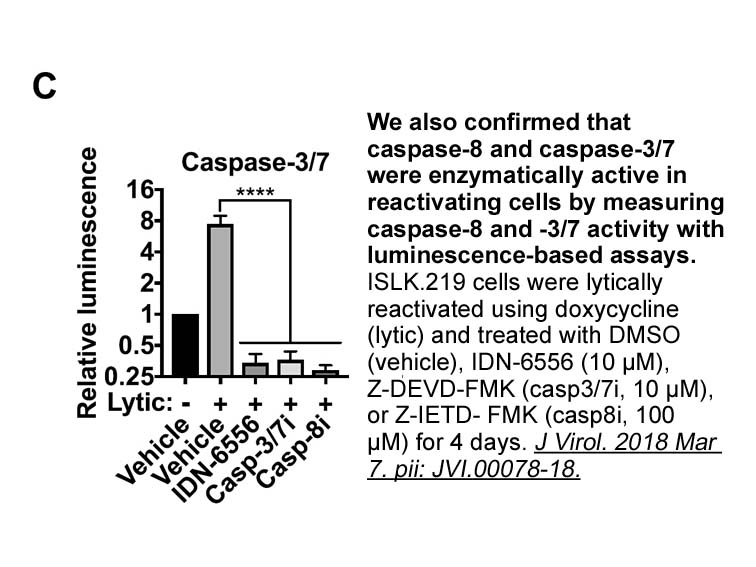
Objectives Study design Thirty KTx recipients were enrolled in this pilot study from December 2015 to May 2016. Patient demographics are presented in Table 1. The inclusion criteria were: age ≥ 18 years and CMV-IgG serostatus (D+/R−, D+/R+, D−/R+) pre-Tx. All patients were enrolled during the
-
br Conflict of interest statement br Acknowledgements
2021-04-25
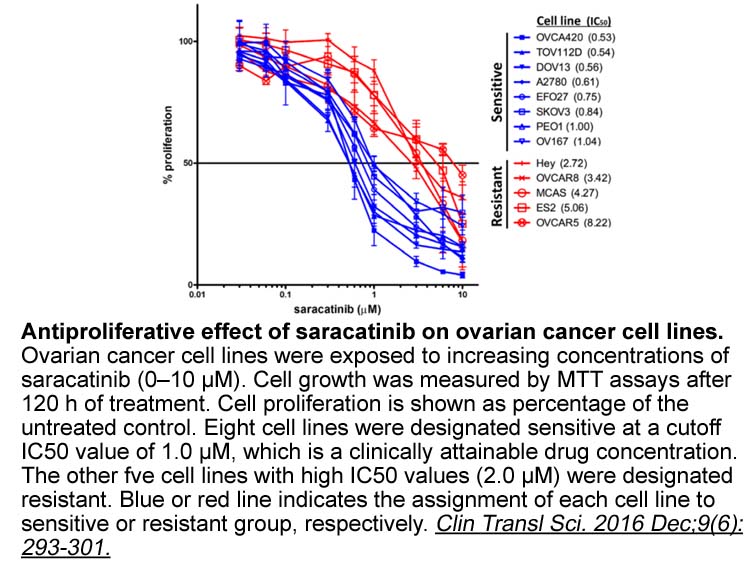
Conflict of interest statement Acknowledgements Introduction Spending their last days on earth having already lost many cognitive functions remains a major fear of elderly people. Although during the last century their lifespans increased, the so-called “old-age diseases” became more and mo
-
In normal chow fed mice EP deficiency also
2021-04-25

In normal chow fed mice, EP4 deficiency also decreased the expression of CYP8B1, the downstream target of CYP7A1. Similarly, knockdown of EP4 with small interfering RNA reduced the expression of CYP8B1 in HepG2 cells. Therefore, it was anticipated that there would be an increased expression of CYP8B
-
In addition to providing substantial insight
2021-04-25
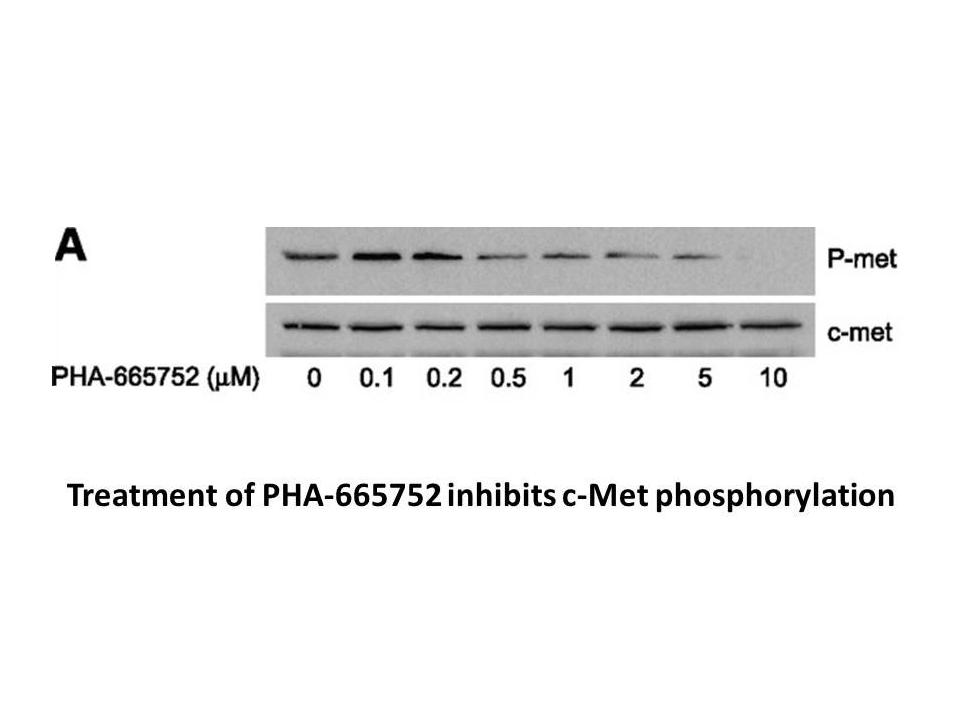
In addition to providing substantial insight into substrate recognition, structural studies have revealed important details about mechanisms of glycosylation and HCF-1 cleavage [28,30,33]. Activation of the nucleotide-sugar is accomplished through interactions of the β-phosphate with the N-terminus
-
Emergence of antibiotic resistant strains of Mtb
2021-04-25
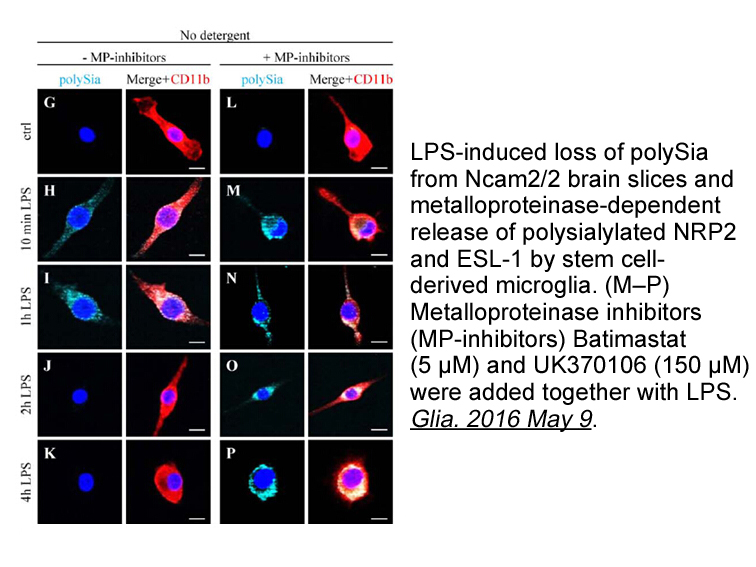
Emergence of antibiotic resistant strains of Mtb alongwith the inefficacy of widely used Bacillus Calmette-Guerin (BCG) vaccine in adults are major challenges in the treatment and prevention of TB. Elucidation and characterization of new vaccine and drug candidates are therefore required in order to
-
The importance of EBI for B cell
2021-04-25
The importance of EBI2 for B cell function was first suggested by the dramatic upregulation of this receptor in EBV-transformed Busulfan receptor and further inferred from its regulation in activated and GC B cells (Birkenbach et al., 1993, Glynne et al., 2000, Shaffer et al., 2000). An involvement
-
Programmed cellular death or apoptosis is
2021-04-25
Programmed cellular death or apoptosis is a process genetically controlled that plays an important role in cellular homeostasis, being an important defense mechanism to remove cells that have been infected, damaged or mutated (Smith and Smith, 2012, Wlodkowic et al., 2011). Nevertheless, apoptosis s
-
The number of DBH alleles affects
2021-04-25
The number of DBH (S)-Crizotinib affects dopamine and norepinephrine levels in the prefrontal cortex of mice when they are treated with disulfiram (33). Disulfiram increased dopamine and decreased norepinephrine levels in their prefrontal cortex of mice with two normal alleles, whereas disulfiram s
-
Common enzyme quantitative methods include enzyme
2021-04-25
Common enzyme quantitative methods include enzyme-linked immunosorbent assay [,] (ELISA), chemiluminescence (CLIA) [, , ] and immunochromatography []. The advantages of ELISA are cost reduction and automation, but non-specific reaction caused by HOOK effect, false positive caused by cross-contaminat
-
Collagen alignment can contribute to tissue
2021-04-23
Collagen alignment can contribute to tissue stiffening (Malik et al., 2015, Paszek et al., 2005), and ECM stiffness in turn is a powerful activator of integrin function (Levental et al., 2009). These findings highlight the contribution of the mechanical properties of the ECM to signal transduction.
16463 records 695/1098 page Previous Next First page 上5页 691692693694695 下5页 Last page