Archives
- 2026-03
- 2026-02
- 2026-01
- 2025-12
- 2025-11
- 2025-10
- 2025-09
- 2025-04
- 2025-03
- 2025-02
- 2025-01
- 2024-12
- 2024-11
- 2024-10
- 2024-09
- 2024-08
- 2024-07
- 2024-06
- 2024-05
- 2024-04
- 2024-03
- 2024-02
- 2024-01
- 2023-12
- 2023-11
- 2023-10
- 2023-09
- 2023-08
- 2023-07
- 2023-06
- 2023-05
- 2023-04
- 2023-03
- 2023-02
- 2023-01
- 2022-12
- 2022-11
- 2022-10
- 2022-09
- 2022-08
- 2022-07
- 2022-06
- 2022-05
- 2022-04
- 2022-03
- 2022-02
- 2022-01
- 2021-12
- 2021-11
- 2021-10
- 2021-09
- 2021-08
- 2021-07
- 2021-06
- 2021-05
- 2021-04
- 2021-03
- 2021-02
- 2021-01
- 2020-12
- 2020-11
- 2020-10
- 2020-09
- 2020-08
- 2020-07
- 2020-06
- 2020-05
- 2020-04
- 2020-03
- 2020-02
- 2020-01
- 2019-12
- 2019-11
- 2019-10
- 2019-09
- 2019-08
- 2019-07
- 2019-06
- 2019-05
- 2019-04
- 2018-11
- 2018-10
- 2018-07
-
br Synthetic Antagonists for FFA
2022-07-13
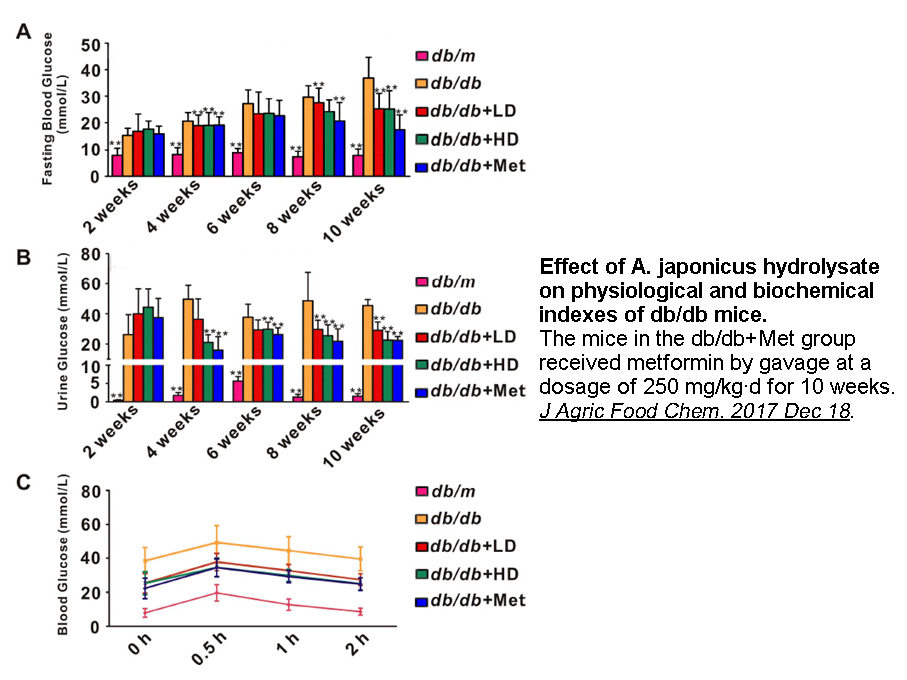
Synthetic Antagonists for FFA4 To date, only compounds from a single chemical series have been reported as FFA4 ‘antagonists’ (Table 1). ‘Compound 39’ (4-methyl-N-9H-xanthen-9-yl-benzenesulfonamide), now available from commercial vendors as AH-7614, was initially reported as an antagonist at this
-
Flavonoids are able to modulate proinflammatory signaling pa
2022-07-13
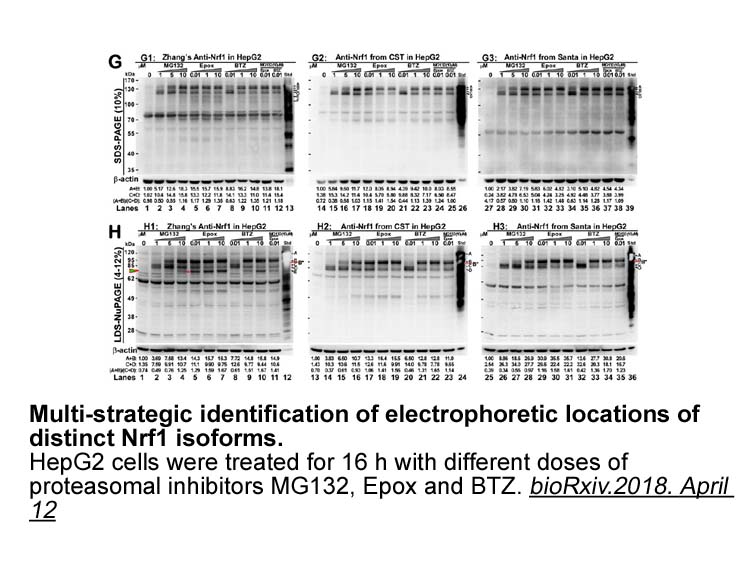
Flavonoids are able to modulate proinflammatory signaling pathways to prevent OS and apoptosis [139]. Paraoxygenase-2 (PNO2) is an enzyme involved in neuroprotection by preventing OS mediated damage in mitochondria. Flavonoids can modulate the JNK/AP-1 pathway to increase expression of PNO2 [111]. F
-
BRD4770 receptor br Materials and methods br Results br Disc
2022-07-13
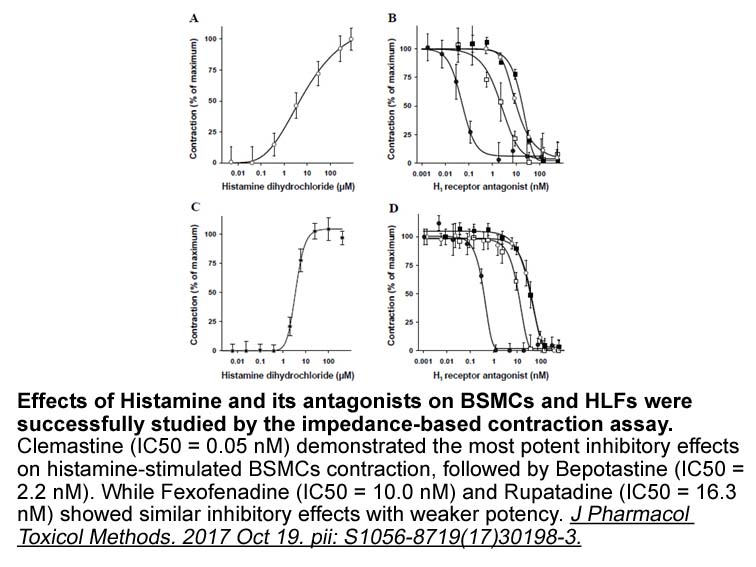
Materials and methods Results Discussion DNA repair pathways have evolved for a long time to act independently of one another. However, over the past decade several overlaps and crosstalks between these pathways were identified, showing that the DNA repair system is more complex than previo
-
Entry into CNS is tightly regulated by
2022-07-13
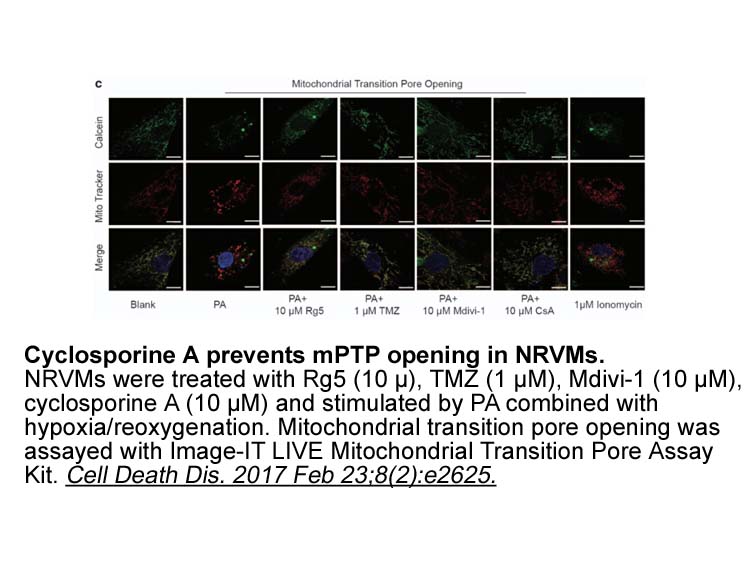
Entry into CNS is tightly regulated by highly dynamic barriers, namely, the BBB, the blood-CSF barrier, and the arachnoid epithelium (Abbott et al., 2010; Yasuda et al., 2013). Similar barriers also exist within the CNS including the ependymal barrier as well as the cellular membrane barriers of the
-
2400 7 br Inclusion exclusion criteria br
2022-07-13
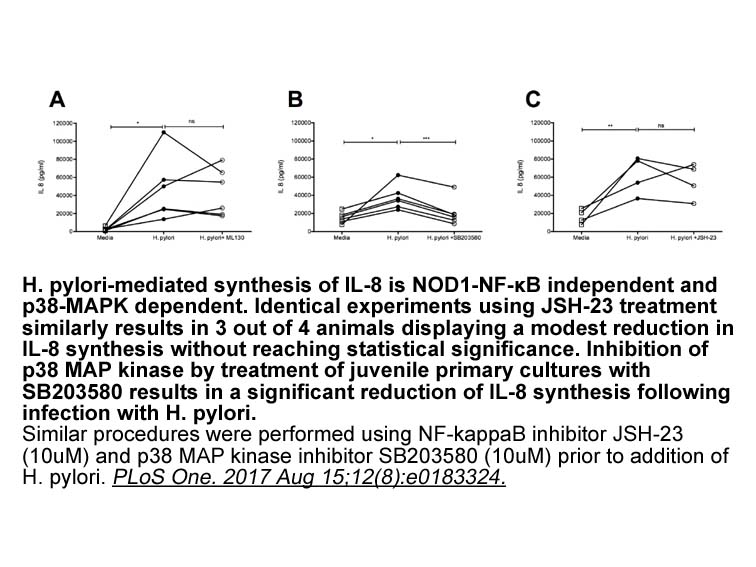
Inclusion/exclusion criteria Quality assessment All studies included in the qualitative synthesis were evaluated using the Quality Assessment Tool for Quantitative Studies (QATQS), which allows to determine their methodological quality. QATQS assesses 8 sections: selection bias, study design,
-
Na K ATPase adenosine triphosphate ATP
2022-07-13
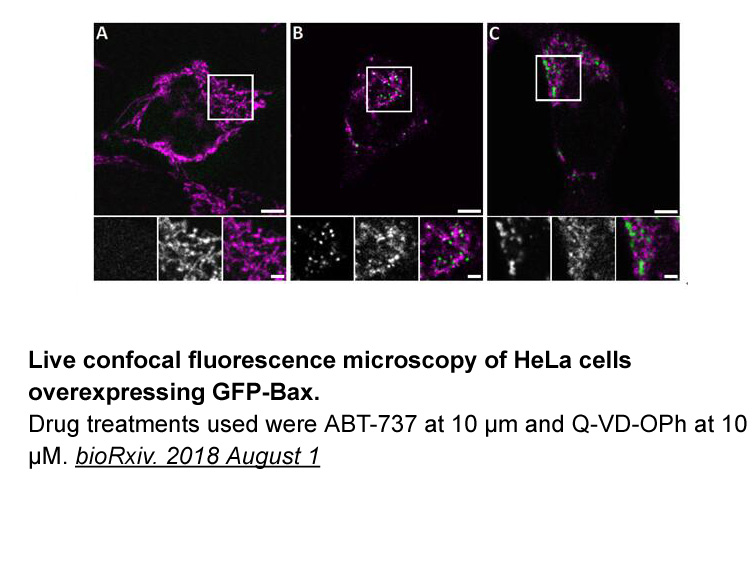
Na+/K+-ATPase, 2510 and astrocytic glutamate transporters act together to maintain sodium and potassium gradients and the proper activities of EAAT1 and EAAT2 (Rose et al., 2009; Sheean et al., 2013); nevertheless, in present study, Na+/K+-ATPase activity was shown to be increased as from 24 h. It
-
In agreement with the results obtained from GluR A
2022-07-13

In agreement with the results obtained from GluR-A−/− mice, mice in which the NR1 subunit of the NMDA receptor has been selectively deleted from the CA3 subfield of the hippocampus displayed normal acquisition of the standard reference memory version of the watermaze task (Nakazawa et al., 2002), bu
-
To evaluate SLC A abundance after transfection
2022-07-13
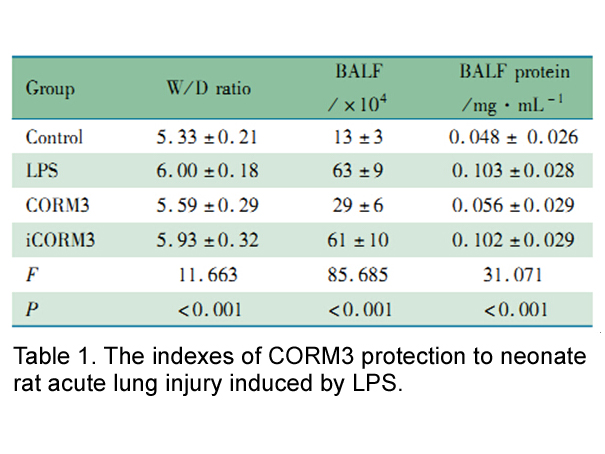
To evaluate SLC45A1 abundance after transfection, we performed western blots. Transfected COS-7 99026 mg were lysed and separated for membrane fraction. Equal amounts of proteins from membrane fractions were resolved by SDS-PAGE, transferred to a nitrocellulose filter, and immunoblotted with an ant
-
The post translational modification O
2022-07-13
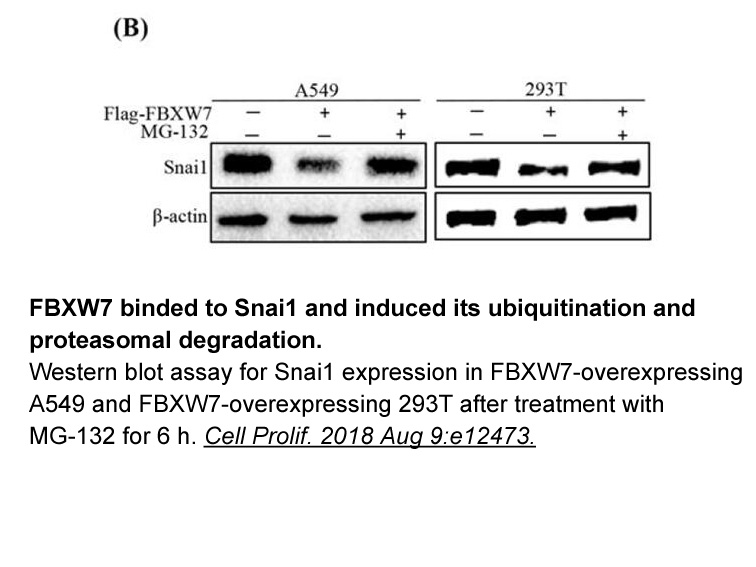
The post-translational modification O-GlcNAcylation is also dependent upon glucose fluctuations. O-GlcNAcylation has been linked to insulin resistance and glucose toxicity in diabetes and its comorbidities [11]. O-GlcNAcylation is a dynamic modification tightly regulated by the nutritional sensor UD
-
Apoptosis a form of programmed cell death is a
2022-07-13

Apoptosis, a form of programmed cell death, is a critical component in maintaining homeostasis and growth in all tissues and plays a significant role in immunity and cytotoxicity [54,55]. Although GR are expressed in all immune cells, the physiological outcomes of GR activation are highly cell type-
-
Ghsr may have therapeutic value in disorders associated
2022-07-13
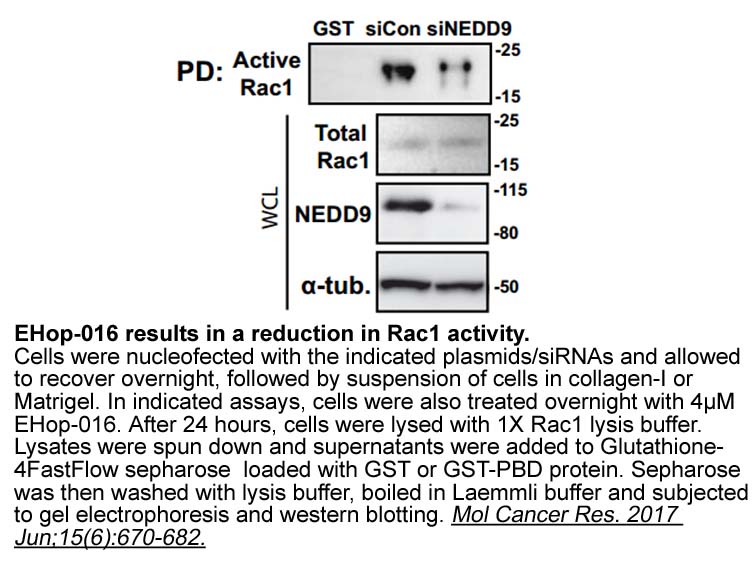
Ghsr may have therapeutic value in disorders associated with impairments in AHN. As anxiety disorders and enhanced fear responses observed in PTSD are linked with overgeneralization of similar but distinct memories (i.e poor discrimination), we suggest that acyl-ghrelin’s anti-anxiety effect (Lutter
-
Clinical trials of all GSIs have ended
2022-07-13
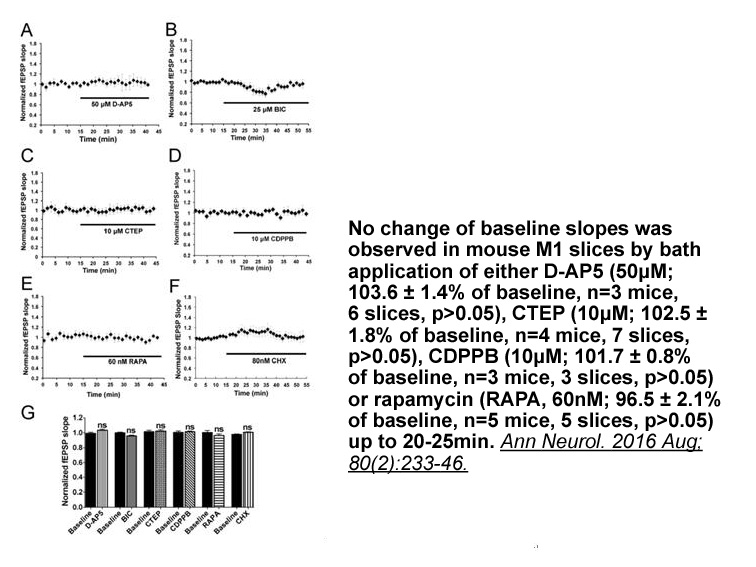
Clinical trials of all GSIs have ended prematurely, raising the question on our understanding of their target, the γ-secretase/presenilin. Development of compounds to target γ-secretase and reduce Aβ production is complicated by the fact that γ-secretase/presenilin has critical biological function,
-
UNC2025 receptor br G protein coupled receptor GPR also
2022-07-12
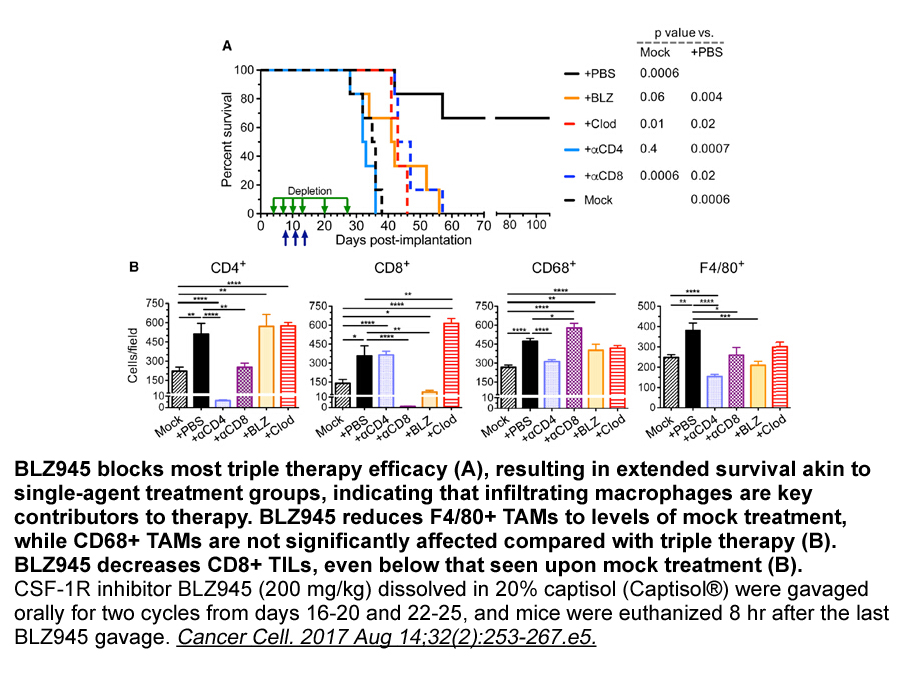
G-protein coupled receptor 40 (GPR40), also known as a free fatty UNC2025 receptor receptor, is dominantly expressed in pancreatic β cells and intestine K, L cells., . Besides, GPR40 is also reported to be expressed in brain, but its function is still unknown. It is well documented that GPR40 ago
-
The Hippo pathway has been
2022-07-12

The Hippo pathway has been well established as a tumor suppressor pathway and is involved in many diverse biologic processes including cell growth, cell death, and organ size control in organisms, ranging from Drosophila to mammals [4]. Central to this pathway is a kinase cascade in which the Ste20-
-
Several small molecules such as
2022-07-12
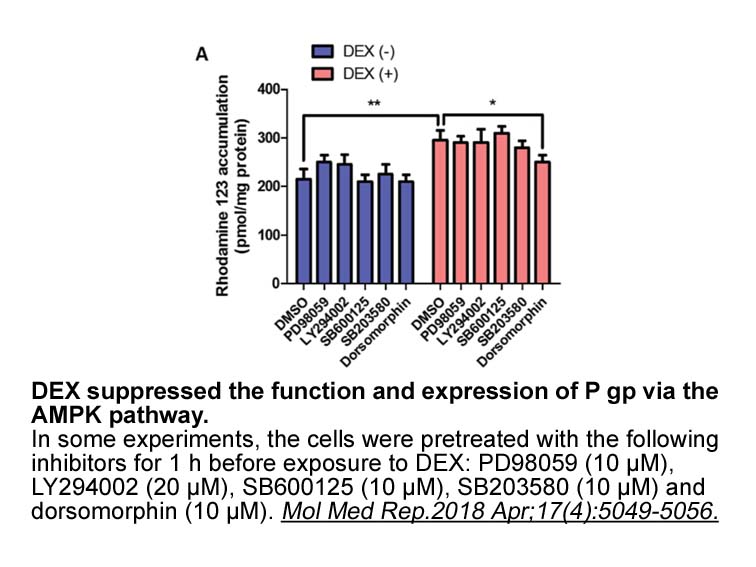
Several small molecules, such as erastin and RSL3, are reported to induce ferroptosis in both normal and cancer Epinephrine Bitartrate [21,22]. We confirmed that erastin-induced growth inhibition is an ideal ferroptosis model for cardiomyocytes. The erastin inhibits the growth of H9c2 cells in a Fe
16472 records 437/1099 page Previous Next First page 上5页 436437438439440 下5页 Last page