Archives
- 2026-03
- 2026-02
- 2026-01
- 2025-12
- 2025-11
- 2025-10
- 2025-09
- 2025-04
- 2025-03
- 2025-02
- 2025-01
- 2024-12
- 2024-11
- 2024-10
- 2024-09
- 2024-08
- 2024-07
- 2024-06
- 2024-05
- 2024-04
- 2024-03
- 2024-02
- 2024-01
- 2023-12
- 2023-11
- 2023-10
- 2023-09
- 2023-08
- 2023-07
- 2023-06
- 2023-05
- 2023-04
- 2023-03
- 2023-02
- 2023-01
- 2022-12
- 2022-11
- 2022-10
- 2022-09
- 2022-08
- 2022-07
- 2022-06
- 2022-05
- 2022-04
- 2022-03
- 2022-02
- 2022-01
- 2021-12
- 2021-11
- 2021-10
- 2021-09
- 2021-08
- 2021-07
- 2021-06
- 2021-05
- 2021-04
- 2021-03
- 2021-02
- 2021-01
- 2020-12
- 2020-11
- 2020-10
- 2020-09
- 2020-08
- 2020-07
- 2020-06
- 2020-05
- 2020-04
- 2020-03
- 2020-02
- 2020-01
- 2019-12
- 2019-11
- 2019-10
- 2019-09
- 2019-08
- 2019-07
- 2019-06
- 2019-05
- 2019-04
- 2018-11
- 2018-10
- 2018-07
-
Among prostaglandins PG PGD remained the most elusive
2022-08-24
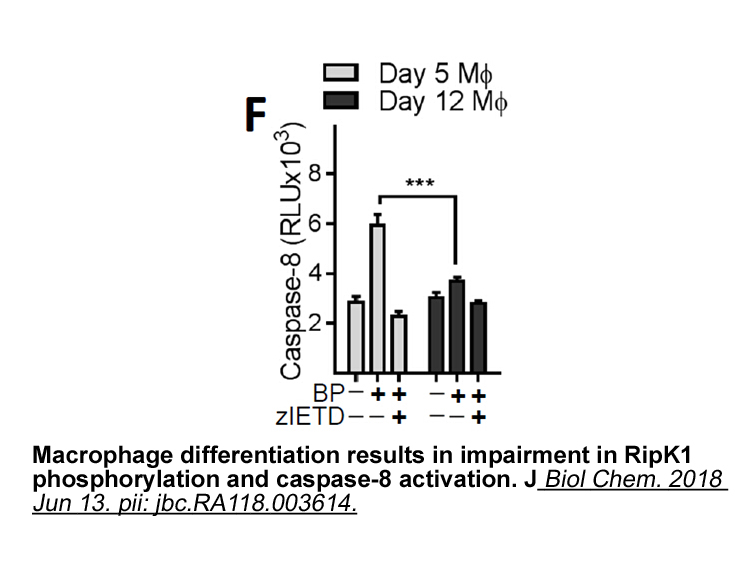
Among prostaglandins (PG), PGD2 remained the most elusive species for a long time and was initially regarded as having negligible biological activity [1]. In 1974 its inhibitory effect on platelet aggregation was discovered by Smith et al. [2] and Mills & McFarlain [3], and both pressor and depresso
-
Several previous reports have demonstrated that epithelial c
2022-08-24
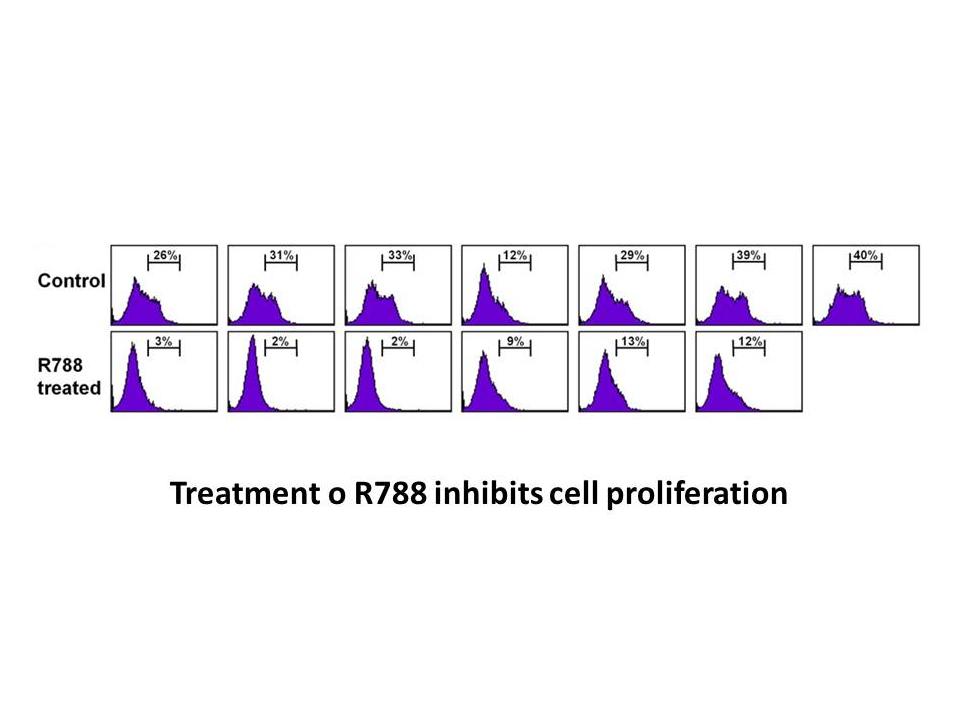
Several previous reports have demonstrated that epithelial cell migration is important in promoting mucosal repair after damage caused by DSS and nonsteroidal anti-inflammatory drugs [33], [34], [35]. Cell migration is coordinated by many factors, including fibronectin and its receptor integrin α5,
-
br Funding M I is supported by
2022-08-24
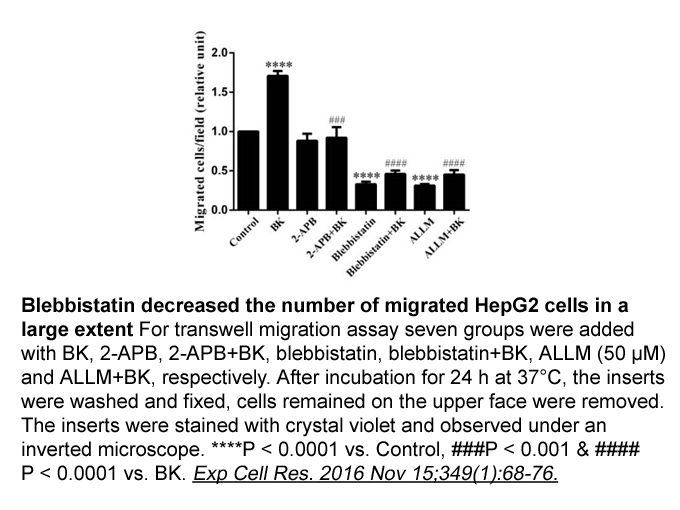
Funding M.I. is supported by European Research Council (ERC) Consolidator Grant 725038, Italian Association for Cancer Research (AIRC) Grant 19891, Italian Ministry of Health (MoH) Grant GR-2011-02347925, Lombardy Foundation for Biomedical Research (FRRB) Grant 2015-0010, the European Molecular B
-
Moreover there is a third possible GnRH
2022-08-24
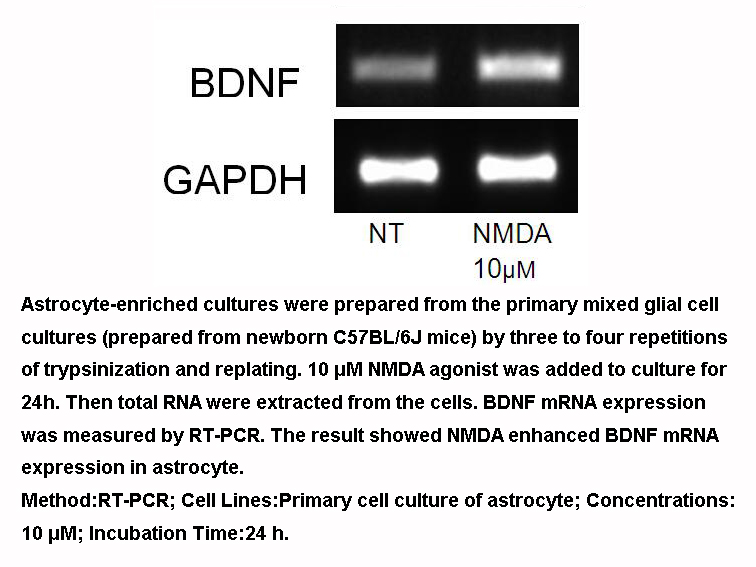
Moreover, there is a third possible GnRH agonist target – the endometrium. The human endometrium has been shown to express high levels of both GnRH and GnRH receptors (Maggi et al., 2016), and GnRH agonists affect the function of the urokinase-type plasminogen activator/plasminogen activator inhibit
-
In this study we provide biochemical and immunohistochemical
2022-08-24
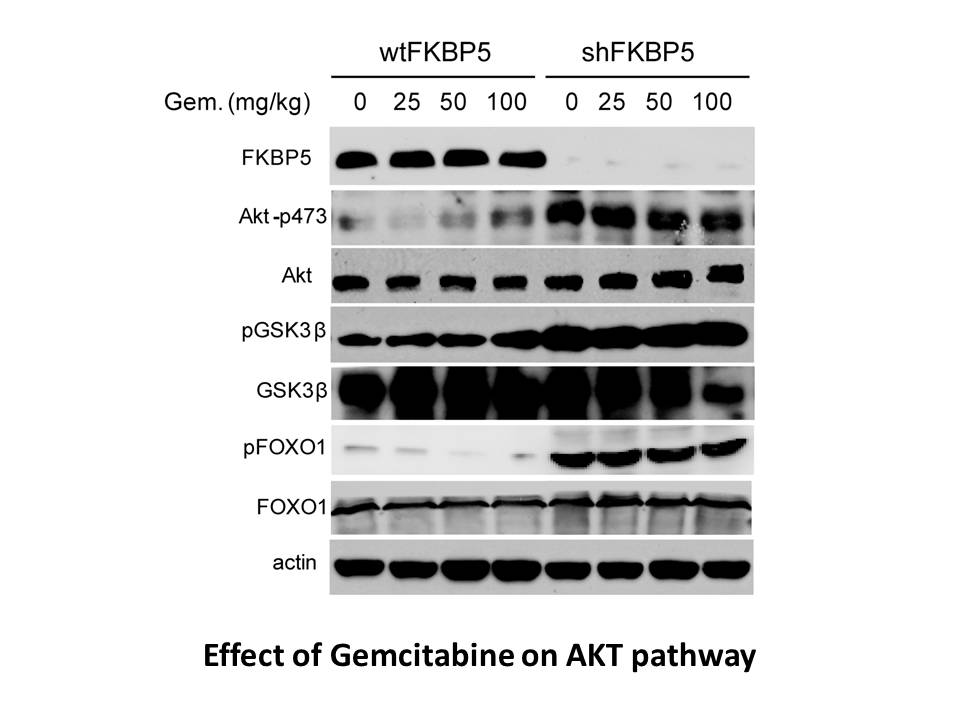
In this study we provide biochemical and immunohistochemical evidence for the localization of the glycine transporter GLYT1 in synaptic vesicles. Previously, it was thought that GLYT1 was exclusively a glial protein (Zafra et al., 1995a). However, due to a partial discrepancy between mRNA and protei
-
Epidemiological studies revealed that vitamin D
2022-08-24
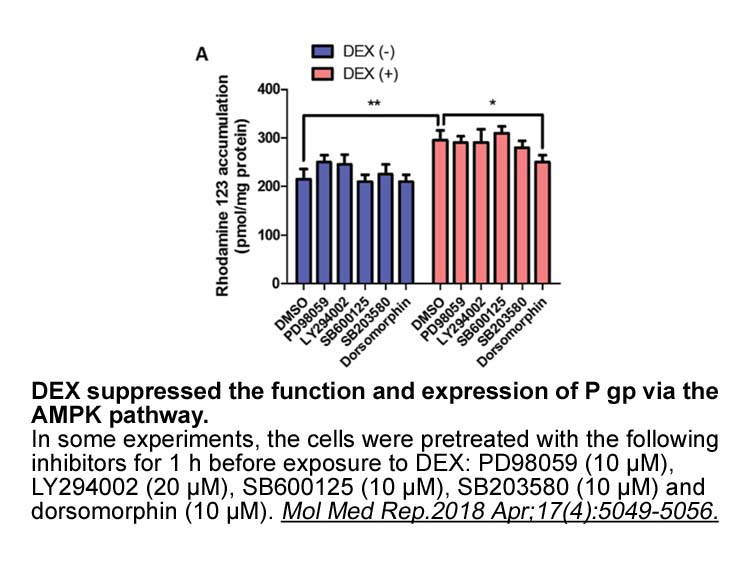
Epidemiological studies revealed that vitamin D deficiency was associated with a wide range of neuropsychiatric disorders and neurodegenerative diseases, in particular, Alzheimer's and Parkinson's disease (Annweiler et al., 2013; Knekt et al., 2010), dementia and cognitive function impairment (Balio
-
br Sodium glucose co transporter inhibitors SGLT
2022-08-24

Sodium-glucose co-transporter-2 inhibitors (SGLT2i) are the latest class of non-insulin glucose-lowering agents that facilitate glycaemic control by inhibiting renal glucose reabsorption, thus promoting glycosuria. Canagliflozin, dapagliflozin, and empagliflozin are the three commonly used agents
-
Importance of glucokinase in glucose homeostasis and
2022-08-24
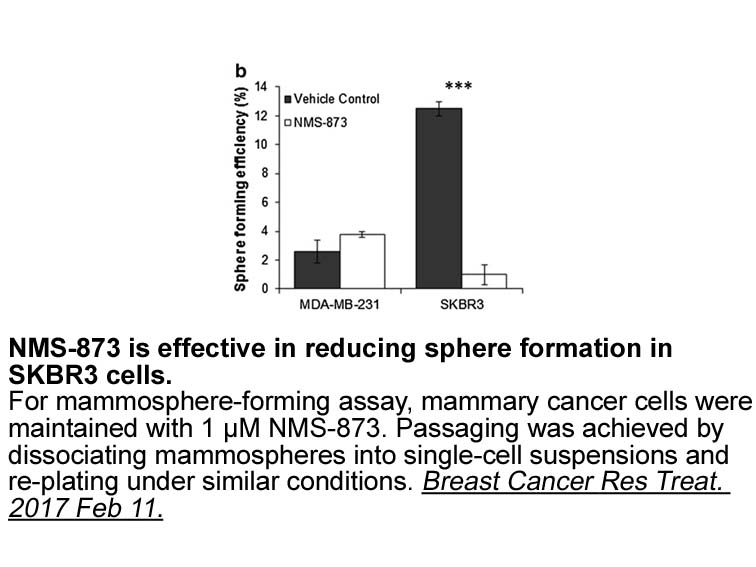
Importance of glucokinase in glucose homeostasis and a possibility to change its activity using the activators define the scientific interest in the development of new allosteric activators of GK (Liu et al., 2012, Pfefferkorn et al., 2011, Waring et al., 2013, Behera et al., 2015). Activation of gl
-
In conclusion we have shown that
2022-08-23
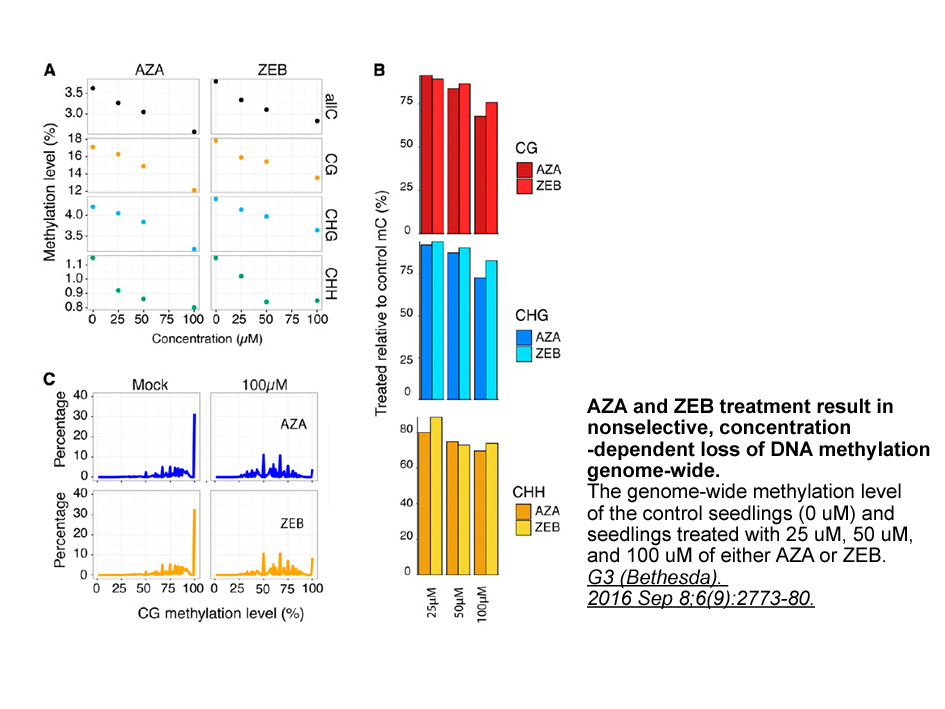
In conclusion, we have shown that AKR1D1 regulates glucocorticoid availability and GR activation and therefore represents a key pre-receptor regulator of hormonal action in human liver. However, there are additional questions that need to be addressed including dissecting the broader role of AKR1D1
-
One major mode of bioelectric action is that of an
2022-08-23
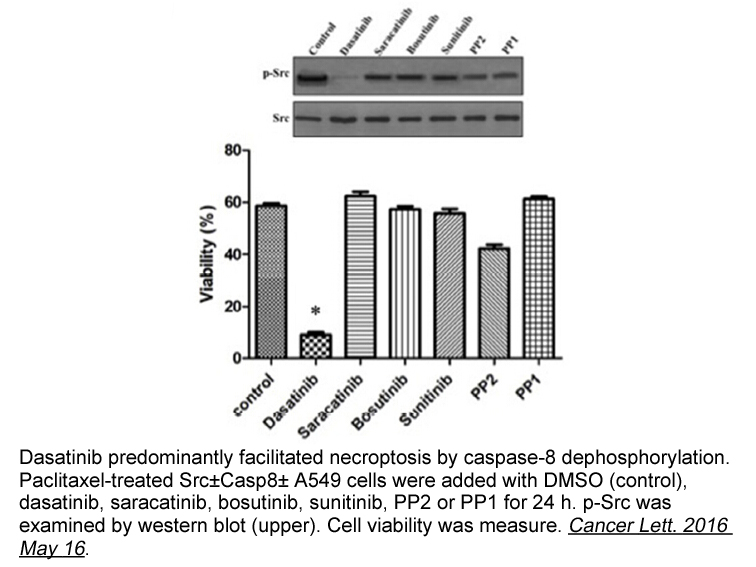
(2) One major mode of bioelectric action is that of an amplifier of subcellular symmetry-breaking mechanisms into tissue-wide order. An example is the patterning of the embryonic left (L)-right (R) axis reviewed in References [57, 58]; the following scheme describes the data obtained largely from th
-
The sexual dimorphism in dlGALR a and
2022-08-23
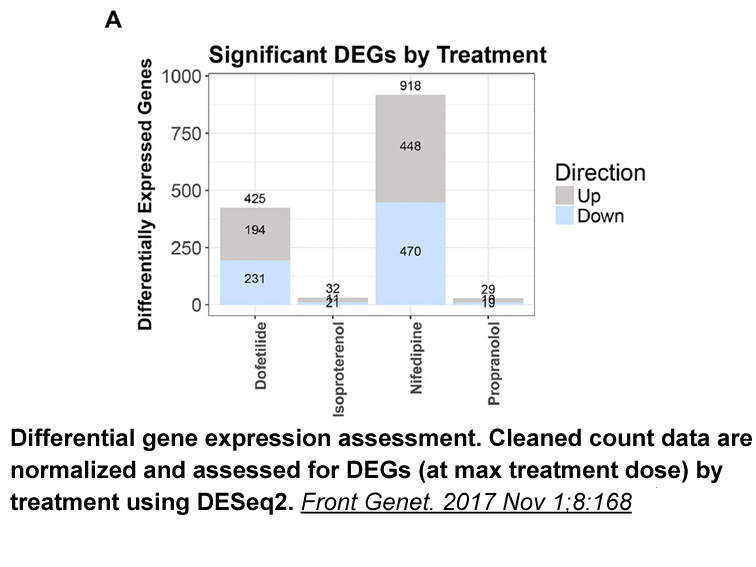
The sexual dimorphism in dlGALR1a and dlGALR1b receptors found in the gonads of adult fish led us to hypothesize that the gene expression difference between female and males might be attributed to the differences in steroid production between female and male gonads. Interestingly we have found that
-
Bile acids BAs are critical for facilitating
2022-08-23
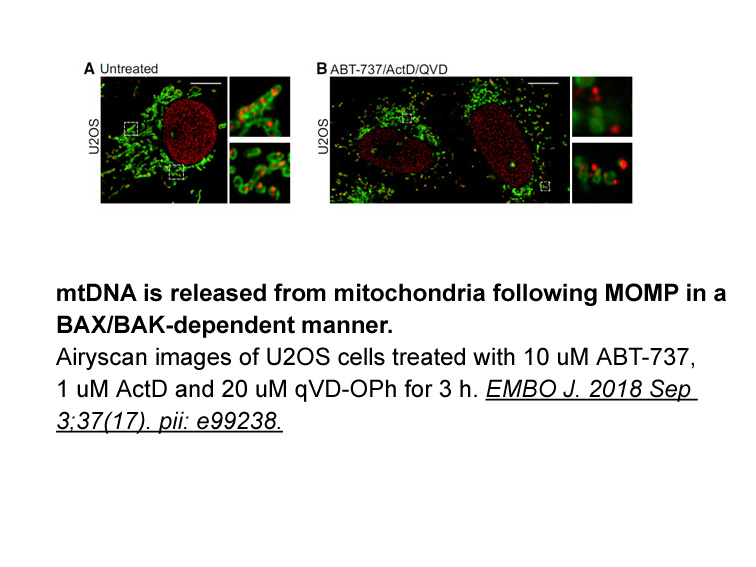
Bile acids (BAs) are critical for facilitating the daunorubicin receptor of dietary lipids and lipid-soluble vitamins in the intestines [6], [7]. At physiological levels, BAs function as signaling molecules and activate specific nuclear receptors [farnesoid X receptor (FXR), pregnane X receptor, an
-
Prior models suggest that the terminal ends of the
2022-08-23
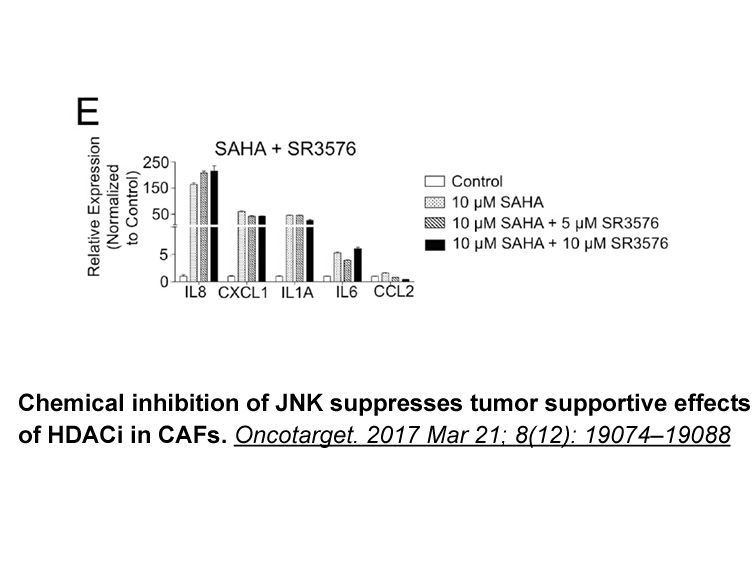
Prior models suggest that the terminal ends of the endocrine FGFs individually determine FGFR and KLB recognition, with little or no cross-talk. Our results confirm that short C-terminal sequences are necessary and sufficient to bind KLB and, supportive of a common mechanism, the underlying structur
-
Focal adhesion kinase FAK also known as
2022-08-23
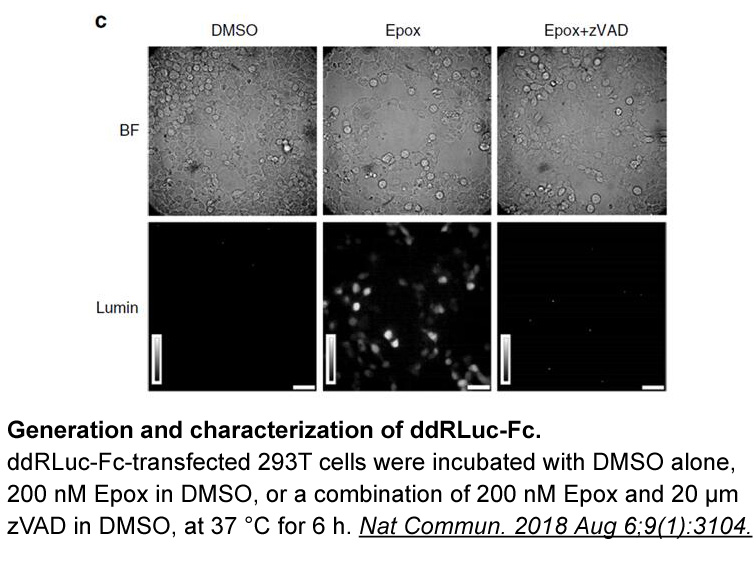
Focal adhesion kinase (FAK), also known as protein tyrosine kinase2 (PTK2), is a tyrosine kinase and vital member in integrin-mediated signaling pathways [3]. In response to integrin involvement, FAK would be phosphorylated. It was reported that FAK is involved in cellular adhesion and spreading [4]
-
br STAR Methods br Acknowledgments We thank
2022-08-22
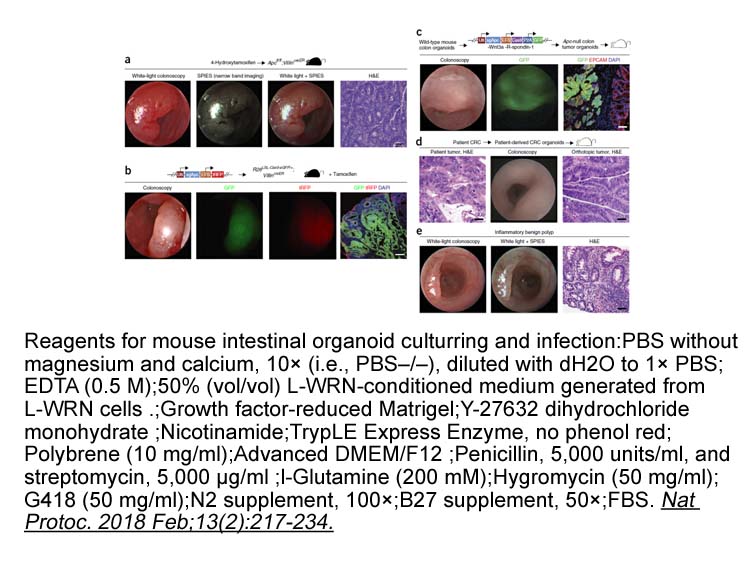
STAR★Methods Acknowledgments We thank the Shanghai Synchrotron Radiation Facility (SSRF) BL18U for help with X-ray data collection. We thank Dr. Thomas F.J. Martin for providing the pcDNA3.1-CAPS-1 plasmid and Dr. Xiaofei Yang for providing the pFHUUIG_shortU6 (l309) plasmid. We thank Dr. Shun
16472 records 418/1099 page Previous Next First page 上5页 416417418419420 下5页 Last page