Archives
- 2026-04
- 2026-03
- 2026-02
- 2026-01
- 2025-12
- 2025-11
- 2025-10
- 2025-09
- 2025-04
- 2025-03
- 2025-02
- 2025-01
- 2024-12
- 2024-11
- 2024-10
- 2024-09
- 2024-08
- 2024-07
- 2024-06
- 2024-05
- 2024-04
- 2024-03
- 2024-02
- 2024-01
- 2023-12
- 2023-11
- 2023-10
- 2023-09
- 2023-08
- 2023-07
- 2023-06
- 2023-05
- 2023-04
- 2023-03
- 2023-02
- 2023-01
- 2022-12
- 2022-11
- 2022-10
- 2022-09
- 2022-08
- 2022-07
- 2022-06
- 2022-05
- 2022-04
- 2022-03
- 2022-02
- 2022-01
- 2021-12
- 2021-11
- 2021-10
- 2021-09
- 2021-08
- 2021-07
- 2021-06
- 2021-05
- 2021-04
- 2021-03
- 2021-02
- 2021-01
- 2020-12
- 2020-11
- 2020-10
- 2020-09
- 2020-08
- 2020-07
- 2020-06
- 2020-05
- 2020-04
- 2020-03
- 2020-02
- 2020-01
- 2019-12
- 2019-11
- 2019-10
- 2019-09
- 2019-08
- 2019-07
- 2019-06
- 2019-05
- 2019-04
- 2018-11
- 2018-10
- 2018-07
-
As we previously observed in the NSFT Fukumoto et al
2023-11-09
As we previously observed in the NSFT (Fukumoto et al., 2014), the effect of LY341495 in the FST was also inhibited by a 5-HT1A receptor antagonist, indicating the role of the 5-HT1A receptor in the actions of LY341495. Among the 5-HT1A receptors, which exist both presynaptically and postsynapticall
-
Adenosine is a ubiquitous homeostatic purine nucleoside that
2023-11-09
Adenosine is a ubiquitous homeostatic purine nucleoside that accumulates extracellularly in response to metabolic stresses such as hypoxia and inflammation. Activation of either G protein-coupled adenosine receptors (ARs; A1R, A2AR, A2BR, and A3R) by extracellular adenosine can modulate cell signali
-
br Occurrence of Inosine in RNA Inosine is widespread
2023-11-09
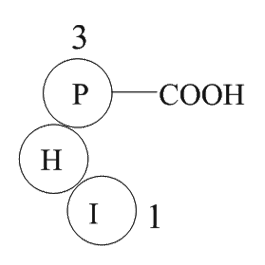
Occurrence of Inosine in RNA Inosine is widespread among various types of RNAs including transfer RNA (tRNA), ribosomal RNA (rRNA), messenger RNA (mRNA), long noncoding RNA (lncRNA), and microRNA (miRNA). Within these RNAs, inosine can appear in different locations as well. Table 1 lists examples
-
Overexpression of SMAD and SMAD strongly enhanced luciferase
2023-11-09
Overexpression of SMAD3 and SMAD4 strongly enhanced luciferase activity of the new pN10 reporter gene construct which was further reinforced by addition of TGFβ. Serial mutations of SBE-1 and SBE-2 led to a slight loss in 5-LO promoter inducibility. The data demonstrate that the two SBEs within the
-
The central problem in amnesia developing following impairme
2023-11-09
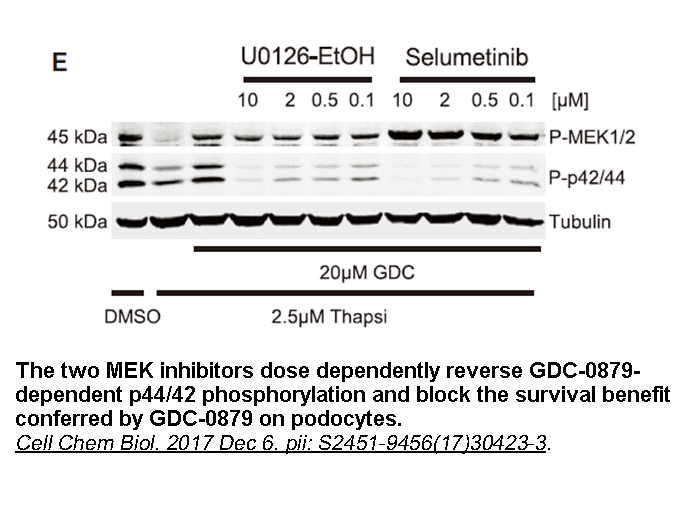
The central problem in amnesia developing following impairment of long-term memory consolidation or reconsolidation is a question of the underlying mechanisms, whether it is caused by impairment of retrieval or memory storage mechanisms [3,8,9,[15], [16], [17], [18]]. To answer this question, severa
-
In order to increase the oral
2023-11-09
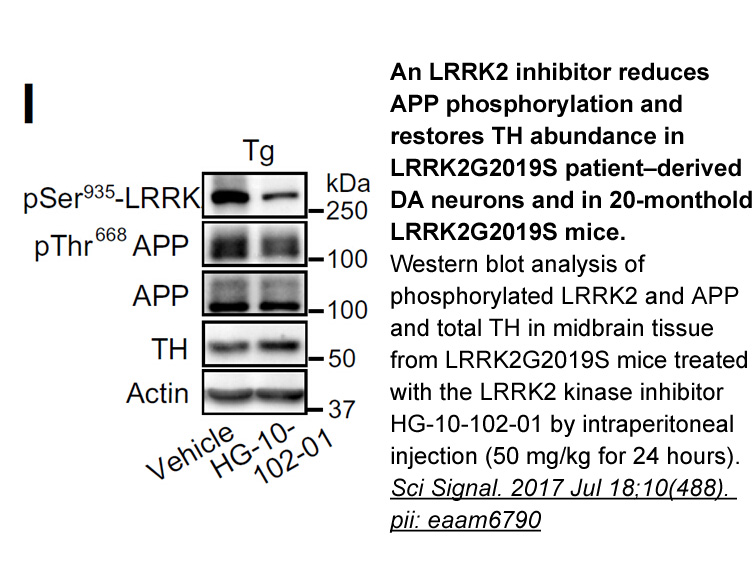
In order to increase the oral bioavailability, abiraterone (157) is being used in the form of its 3β-acetoxy prodrug, abiraterone acetate (156). In spite of the fact that high-fat meals increase the oral atm kinase inhibitor of abiraterone acetate (156), it is recommended that this drug should be t
-
AP activation is known to upregulate downstream target genes
2023-11-09
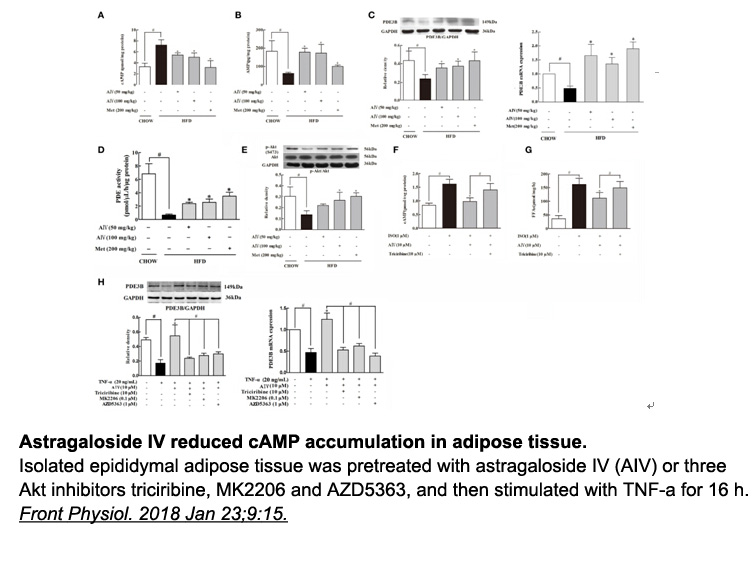
AP-1 activation is known to upregulate downstream target genes including Lopinavir D1, c-myc, Bcl-xl, MMP-9, EGFR, and specific miRNAs that are involved in progression and metastasis of tumors. Moreover, matrix metalloproteinase-2 has been shown as a downstream gene of AP-1, triggered by 15-HETE in
-
There are profound differences between acute and
2023-11-09
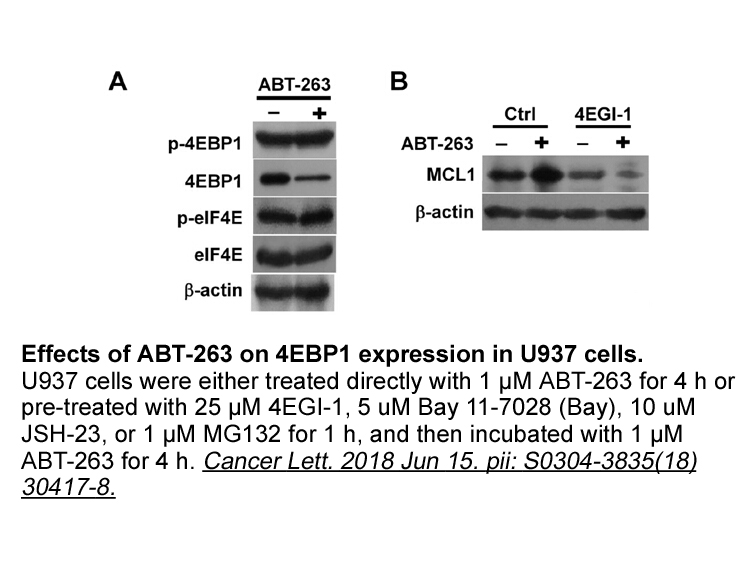
There are profound differences between acute and chronic pain when dramatic changes occur in peripheral nociceptors and central nociceptive pathways and the pain system is sensitised thereby leading to exaggerated responses to noxious stimuli (hyperalgesia) and responses to non-noxious stimuli (all
-
Finally not only can ERs pair with different
2023-11-09
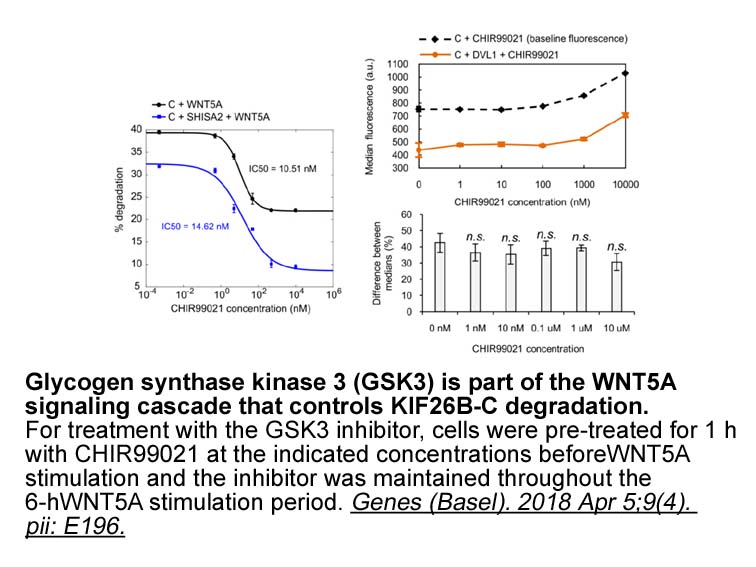
Finally, not only can ERs pair with different mGluRs in different Motolimod australia regions, but it is becoming increasingly clear that the same mGluRs can pair with distinct downstream signaling partners to have differential effects both within and across brain regions (Gross et al., 2016; Manna
-
ARG I is one of the most important
2023-11-09

ARG I is one of the most important mammalian enzymes responsible for nitrogen metabolism since it comprises the main route for the elimination of excess nitrogen resulting from amino TCEP and nucleotide metabolism [18]. ARG I deficiency leads to hyperargininemia, characterized by progressive neurol
-
br Concluding Remarks Despite major advances in the
2023-11-08
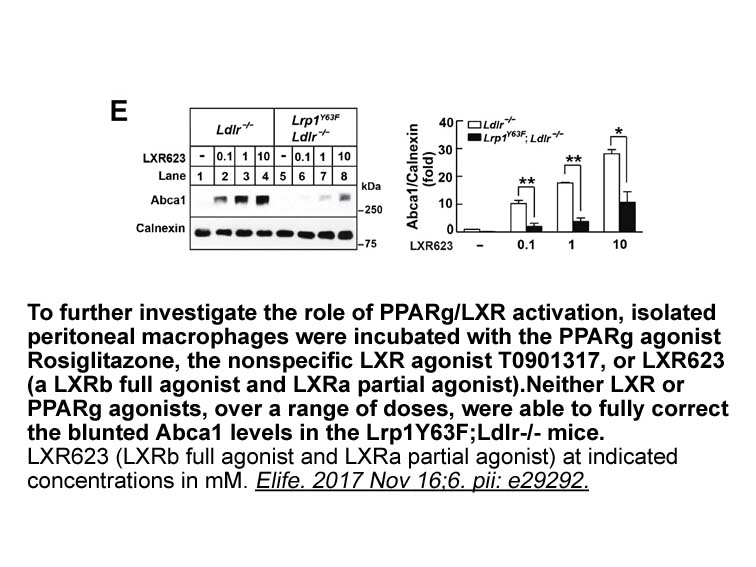
Concluding Remarks Despite major advances in the development of antibody and small-molecule tumor angiogenesis inhibitors, therapy resistance, both innate and acquired, continues to limit further survival improvements for patients with cancer. Preclinical models of localized primary tumors and me
-
br Material and methods br Results br Discussion In
2023-11-08
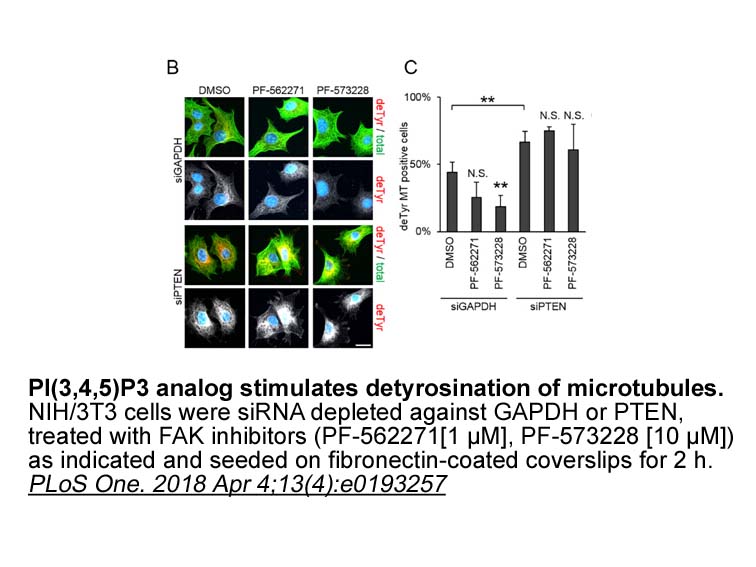
Material and methods Results Discussion In order to find new and improved ways of treating type 2 diabetes (T2D) and other related conditions it is vital that investigators gain a more in-depth understanding of the effects that anti-diabetic treatments, such as TZDs, have on molecules impli
-
The diversity of metabolic adaptations employed by
2023-11-08
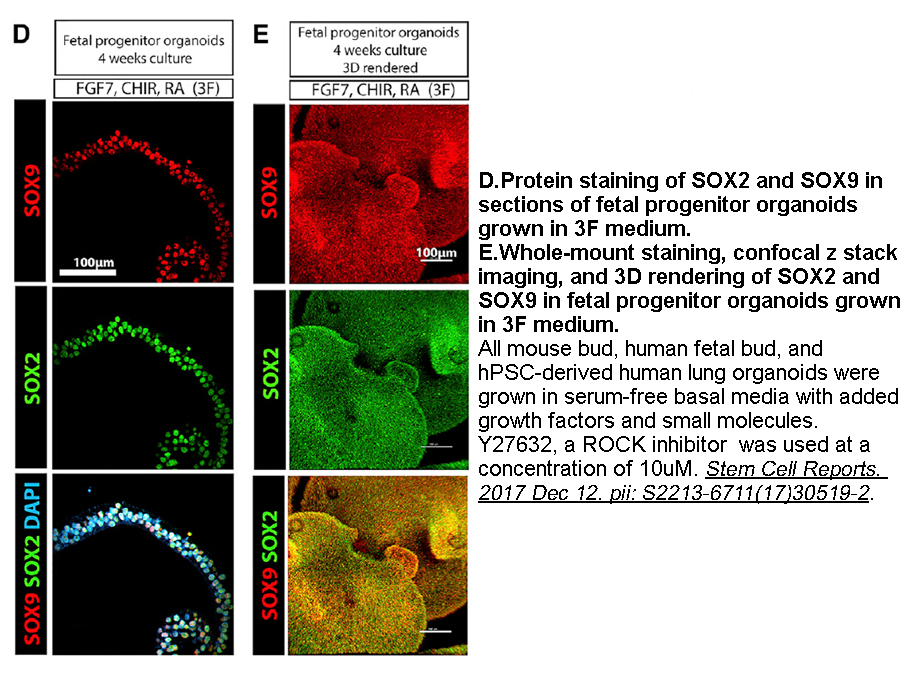
The diversity of metabolic adaptations employed by cancer cells in response to rapidly changing conditions, contributes to their biological aggressiveness and therapeutic resistance by enabling them to proliferate when nutrients are plentiful and to shift their resources to survival when nutrients a
-
The excellent potencies selectivities and improved PK associ
2023-11-08
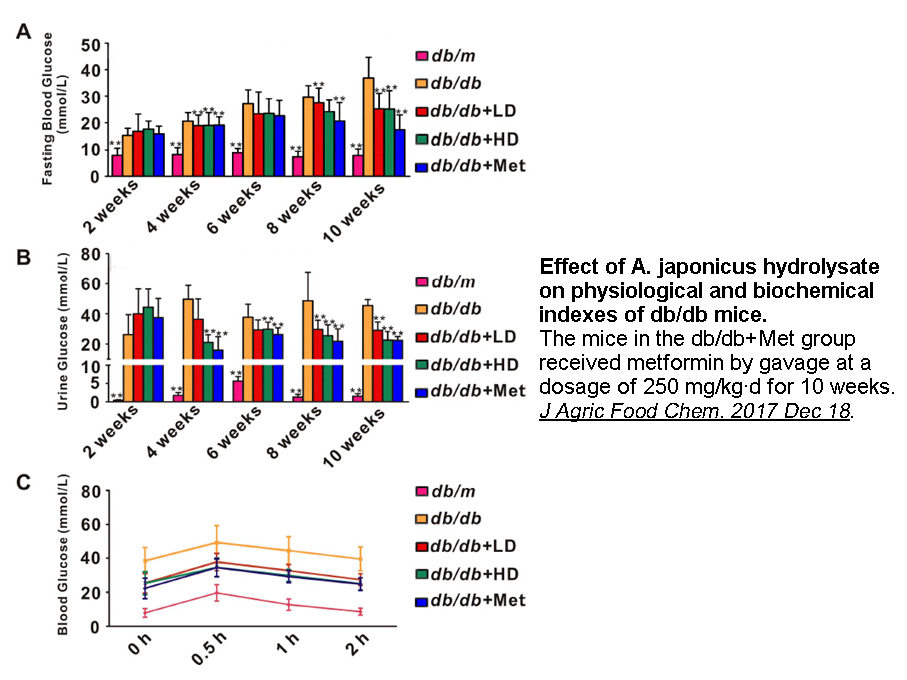
The excellent potencies, selectivities and improved PK associated with the piperazine class triggered more extensive off-target screenings of the highlighted compounds. A screen of more than 100 enzymes, receptors, and ion channels resulted in activity at the norepinephrine transporter (NET). This m
-
br Acknowledgements Dr Paul J Gasser is supported by the
2023-11-08
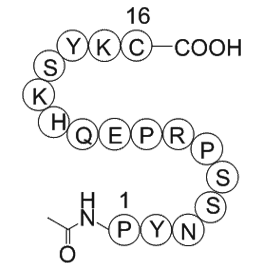
Acknowledgements Dr. Paul J. Gasser is supported by the National Institutes of Health (grant number R01DA032895), and the Charles E. Kubly Mental Health Research Center. Dr. Christopher A. Lowry is supported by the National Institutes of Health (grant number R21 MH116263), the Department of the N
16476 records 265/1099 page Previous Next First page 上5页 261262263264265 下5页 Last page